Business
Glasgow's Economy Flashes Amber: What Rising Investment Actually Signals
Investment flows into the city are holding up, but a clearer picture of where the money goes and what it signals is long overdue.
4 min read
Updated 31 min ago
Business
Investment flows into the city are holding up, but a clearer picture of where the money goes and what it signals is long overdue.
4 min read
Updated 31 min ago
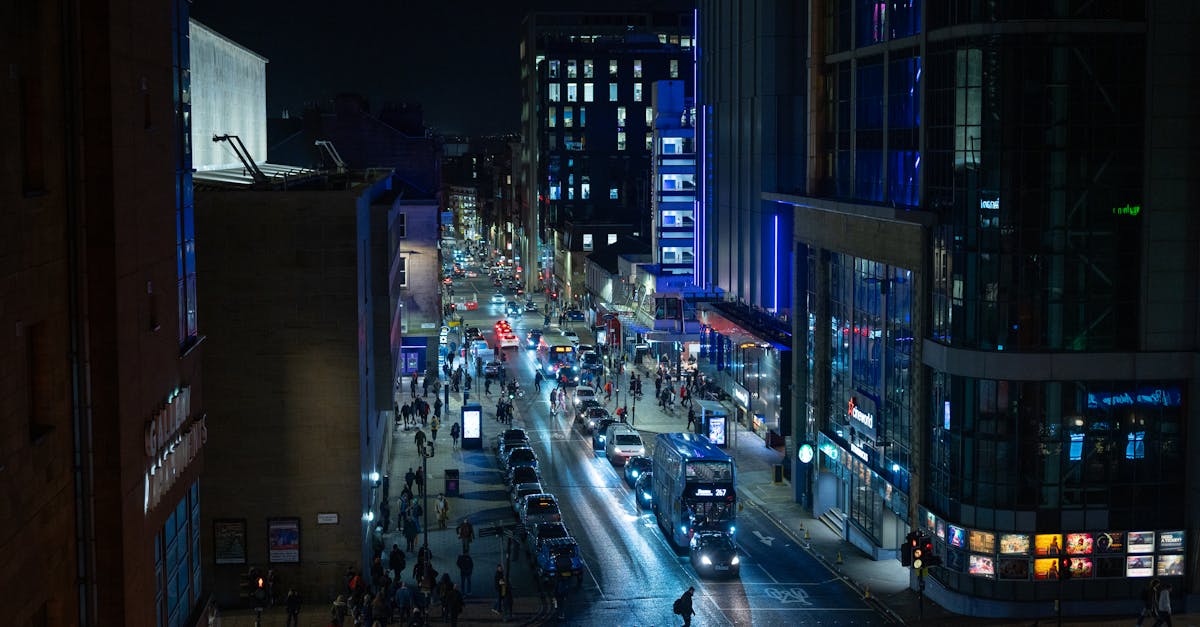
Glasgow attracted £1.4 billion in declared commercial investment during the first half of 2026, according to figures compiled by Scottish Enterprise and released this week — a figure that looks solid until you strip out two large infrastructure refinancing deals in the Clyde Gateway corridor that inflated the headline number. Strip those out, and net new investment is running about 11 percent below the equivalent period in 2024.
That gap matters more now than it might have done two years ago. European capital markets are jittery: heatwaves across France and the Iberian peninsula are pushing energy and insurance costs higher across the continent, and the drawn-out diplomatic situation around the Strait of Hormuz has kept shipping insurance premiums elevated since late spring. Glasgow businesses importing components or exporting finished goods are already paying the price at the freight desk. Against that backdrop, understanding exactly what is and isn't flowing into the city becomes a practical question, not just an academic one.
The Clyde Waterfront remains the primary magnet for institutional money. Two office-to-residential conversions on Broomielaw, combined with the ongoing Barclays campus expansion at Buchanan Wharf, account for the single largest block of committed capital in the city right now. Buchanan Wharf alone has drawn roughly £350 million in phased development funding since 2022, with the next tranche of fit-out work scheduled to begin in September 2026.
The picture in the city centre's retail core is considerably more cautious. Vacancy rates on Argyle Street hit 18.4 percent in the Q1 2026 survey by property consultancy Ryden — the highest recorded figure since the pandemic disruption of 2020. Sauchiehall Street, which has been subject to the Glasgow City Council-backed Avenues project since 2019, is performing slightly better on footfall but struggling to convert pedestrians into tenants willing to sign five-year leases. Landlords are increasingly offering 18-month turnover leases at reduced headline rents, a sign that confidence in sustained consumer spending is thin.
Glasgow's tech and life sciences sectors tell a different story. The Glasgow City Innovation District, centred on the area around Cathedral Street and the old Strathclyde University technology park, recorded 23 new company registrations in Q2 2026 alone. Scottish Development International flagged five inward investment inquiries from German and Dutch medtech firms in June, drawn partly by the concentration of NHS Greater Glasgow and Clyde research partnerships and partly by relatively competitive commercial rental rates compared with Edinburgh's Haymarket district.
Three numbers are worth watching through the second half of 2026. First, the Bank of Scotland's monthly purchasing managers index for the west of Scotland: it sat at 51.3 in June, marginally above the 50-point expansion threshold but down from 53.1 in March. Second, the Scottish Government's enterprise zone vacancy data for the Tay House business cluster and the wider Pacific Quay media and technology zone — both have seen subletting activity increase, which typically precedes a formal occupier departure within 12 to 18 months. Third, GFT Group and Barclays have both signalled headcount reviews in their Glasgow operations for Q3; the outcomes will tell analysts whether the financial services cluster on the south bank of the Clyde is absorbing broader sector caution or insulated from it.
For businesses making planning decisions right now, the practical read is this: Glasgow's fundamentals — a graduate population of around 50,000 annually across its four universities, a cost base still below London and Dublin, and an improving public transport picture with the Avenues active travel corridors — remain genuinely attractive to mobile capital. But the window for locking in competitive lease terms and development subsidies under the current Scottish Enterprise Regional Growth Fund, which runs until March 2027, is closing. Companies that have been sitting on expansion plans should be putting calls into Scottish Enterprise's Bothwell Street offices before the autumn spending review resets the programme priorities.
This article was compiled by AI and screened before publishing. See our editorial standards.

Business

Business

Business
Business
About this article
Published by The Daily Glasgow
Spread the word
Daily brief
Free, in your inbox before 7am. Weekdays.
The Daily Network — local news across Australia