Glasgow's business community opened July 2026 navigating a global picture that would test any city's resilience. Political upheaval in Iran, a fractured American mood on the Fourth of July, and shifting trade winds across the Pacific are feeding directly into decisions being made right now in Merchant City boardrooms and on the shop floors of the Clyde Gateway enterprise zone.
Why now? Because the compounding effect of multiple simultaneous shocks — a leadership vacuum in Tehran affecting energy futures, American domestic politics curbing international confidence, and Latin America's uncertain new political direction under Peru's incoming president Keiko Fujimori — is hitting at precisely the moment Glasgow's commercial property market was showing its strongest recovery in four years. The timing is awkward, and local business groups know it.
Property Pressures and the Uncertainty Premium
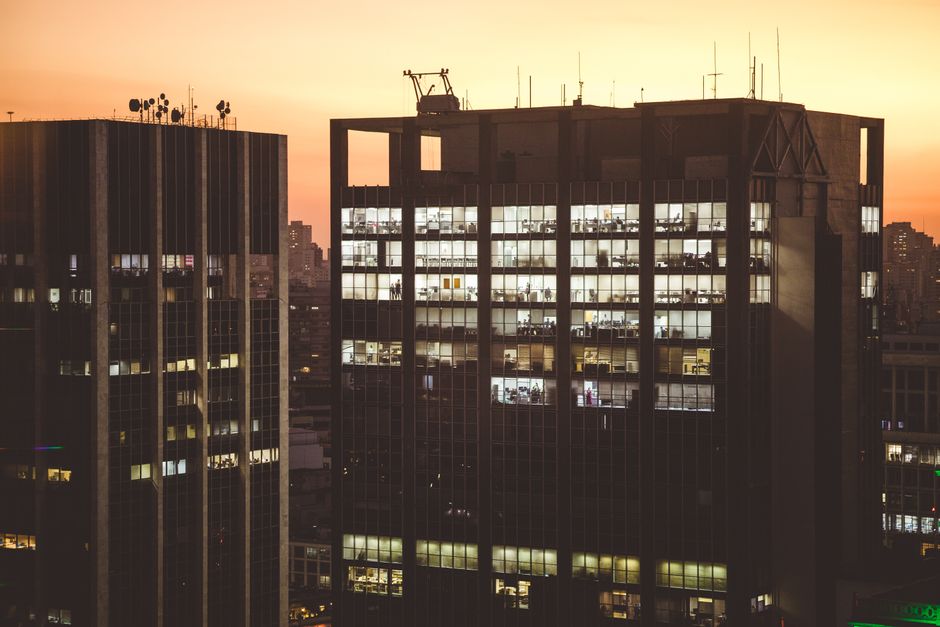
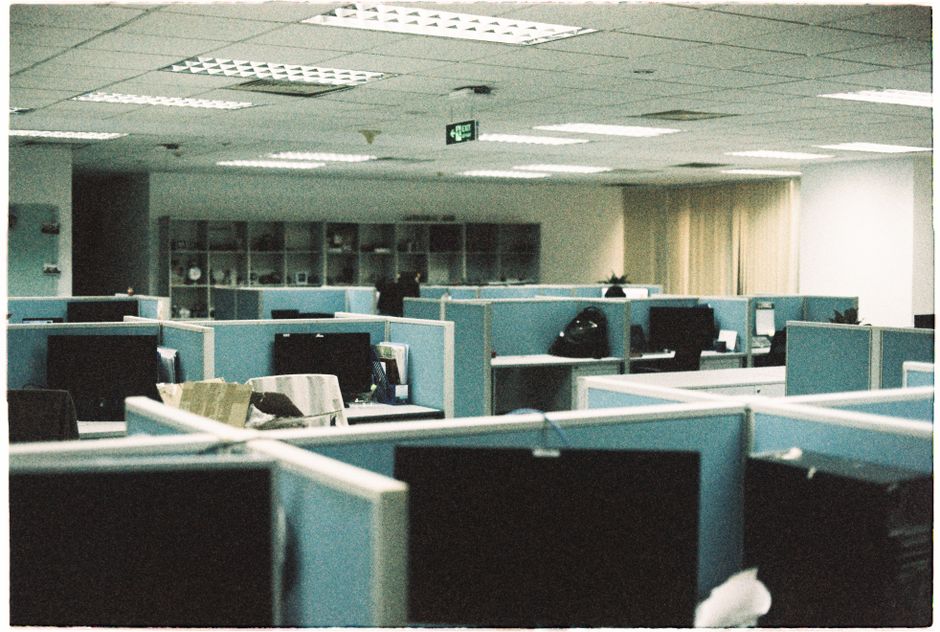
Prime office space in the city centre — particularly along Blythswood Square and the St Vincent Street corridor — has held at roughly £38 per square foot annually through the first half of 2026, according to figures circulating among agents at Ryden and CBRE's Glasgow office. That's a solid number, but letting volumes for Q2 came in about 12 percent below the same period in 2025, with several mid-size technology and professional services firms citing global uncertainty as the reason they've paused expansion decisions until autumn.
The energy price question is acute. Iran's political transition, with the Supreme Leader's funeral drawing enormous crowds in Tehran this week and factional tensions barely concealed beneath the ceremony, has rattled gas futures markets. For manufacturers operating out of locations such as the Queenslie Industrial Estate in the east end and the Hillington Park business campus, energy costs are the single largest variable overhead after wages. A sustained spike — even one driven by geopolitical anxiety rather than actual supply disruption — compresses margins fast.
Residential property tells a different story. The west end's Hyndland and Dowanhill postcodes have seen average asking prices reach £310,000 for a two-bedroom flat this summer, a 6 percent rise year-on-year. Demand from workers relocating to Glasgow from London and Dublin, partly driven by remote and hybrid arrangements that make the city's relative affordability compelling, has not cooled. That dynamic, at least, appears insulated from the global noise.
Enterprise and the Talent Question
Glasgow City Council's enterprise arm, Invest Glasgow, has been pushing hard on the financial technology and life sciences sectors, with particular focus on the Innovation District centred on the University of Glasgow's Gilmorehill campus and the Queen Elizabeth University Hospital complex. Both clusters depend heavily on international talent pipelines. The UK government's decision this week to scrap its overseas education programme for women and girls — a two-year-old initiative — sends a signal, however indirect, about the direction of travel on international engagement that is not lost on university recruitment officers or tech hiring managers trying to compete with Frankfurt and Amsterdam.
The World Cup tourism boom benefiting Mexico is a reminder of what Glasgow itself chased during COP26 in 2021 and still pursues. The city's visitor economy, centred on the Scottish Event Campus on the Clydeside and the Barclays-backed tech hub at Buchanan Wharf, generated an estimated £1.8 billion in 2025. Keeping that engine running requires the kind of international confidence that a world full of cancelled events — including July Fourth celebrations scrapped across major American cities due to record heat — tends to erode.
The practical read for Glasgow businesses is straightforward: firms with significant dollar or euro-denominated revenues should be talking to their banks now about forward cover arrangements. Those with energy-intensive operations should dust off contingency pricing models that assume a 15 to 20 percent gas price increase by Q4. And any business banking on a pre-Christmas hiring surge from international candidates should factor in longer visa processing times and tighter UK border conditions that are unlikely to ease before the new year.
The city's fundamentals remain solid. The question is whether Glasgow's business community moves early enough to stay ahead of a global tide that, as of this Fourth of July weekend, is running fast and unpredictably.