culture
Glasgow's World-Class Museums: Kelvingrove and Burrell Collection Guide
From Kelvingrove’s soaring ceilings to the Burrell Collection’s forest retreat, here is how to navigate the city's world-class museum scene.
3 min read
culture
From Kelvingrove’s soaring ceilings to the Burrell Collection’s forest retreat, here is how to navigate the city's world-class museum scene.
3 min read
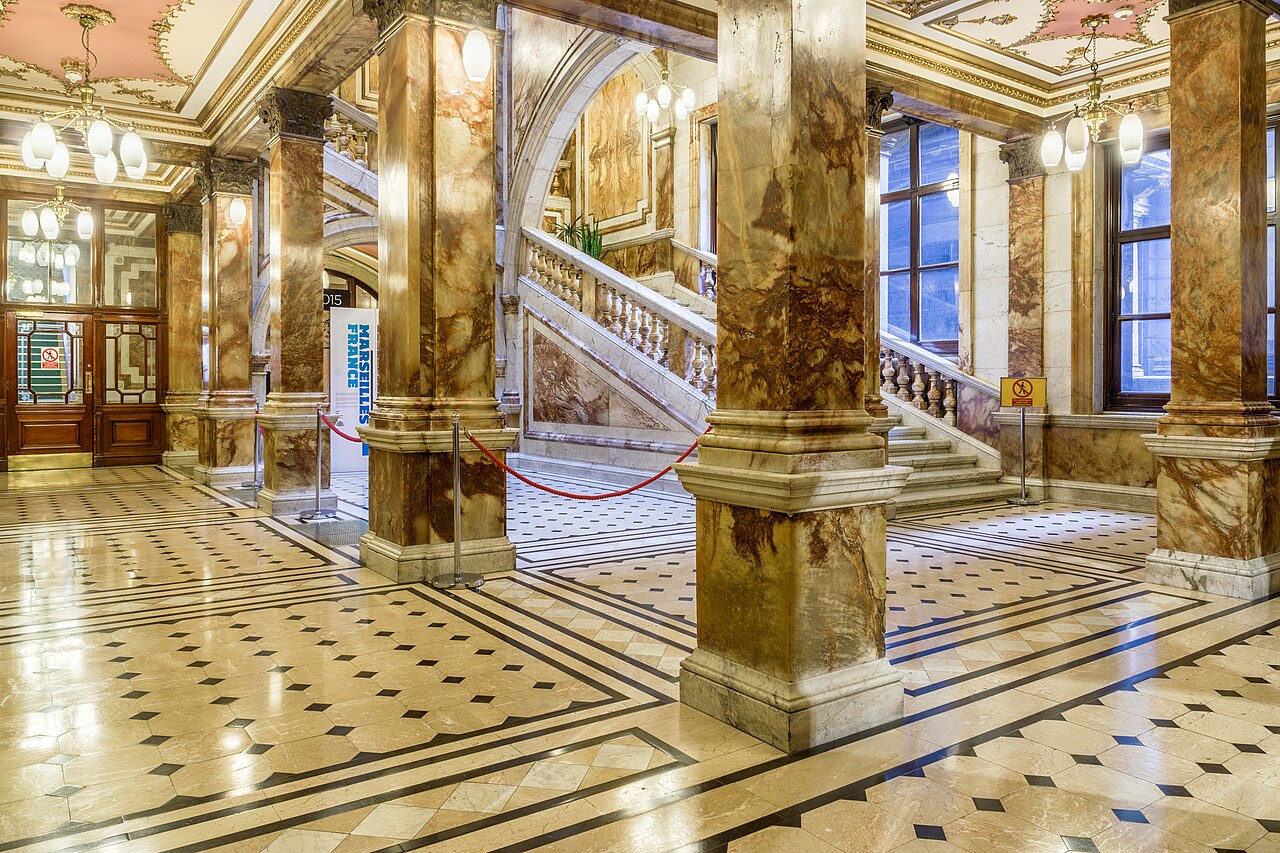
Glasgow’s reputation as a cultural powerhouse continues to draw international interest, with the city’s civic museums serving as the anchor for its creative identity. As the city moves through the summer season, the institutions housing these collections remain essential stops for anyone seeking to understand the industrial history and artistic evolution of the Clyde.
The current cultural landscape in Glasgow is defined by a commitment to accessibility and the preservation of significant global collections. Whether exploring the Victorian architecture of the West End or the woodland settings of the Southside, visitors encounter institutions that serve as far more than mere repositories of objects; they are vital community spaces. This is a city where art, archaeology, and natural history are woven into the daily rhythm of life, providing a bridge between the city’s heavy industrial past and its modern identity.
The Kelvingrove Art Gallery and Museum, located on Argyle Street, remains the cornerstone of the city’s tourism offer. Its distinctive red sandstone spires have defined the skyline since the building opened in 1901. Visitors are encouraged to focus on the Scottish Colourists gallery and the impressive collection of arms and armour, which offer a glimpse into both the domestic artistic output and the martial history of the region. A short distance away, the Hunterian at the University of Glasgow represents the oldest public museum in the country, providing a more scholarly, intimate experience.
For those venturing further afield, the Burrell Collection in Pollok Country Park offers a distinct change of pace. Following its major renovation and reopening, the museum holds an expansive collection of medieval art and tapestries. The architecture itself, which integrates seamlessly with the surrounding parkland, highlights the unique intersection of nature and history that defines this part of the city.
Planning a visit requires an understanding of the city’s open-access model. Most municipal museums, including the Kelvingrove and the Riverside Museum, provide free entry to the general public, though booking ahead for specific exhibitions is recommended during peak summer months. According to Glasgow Life, the charity that manages these venues, the city’s museum network encompasses several world-class facilities that regularly update their displays to feature new acquisitions and loan programs from international partners.
For those navigating the city, the most efficient way to access these sites is via the Subway, often referred to as the Clockwork Orange. The Kelvinhall stop provides direct access to the West End institutions, while bus routes offer connections to the Southside. Visitors should check the official Glasgow Museums website for updated seasonal opening hours, as weekend traffic can be heavy. To make the most of your visit, aim to arrive shortly after doors open at 10:00 am; this allows time to navigate the more popular halls before the afternoon crowds arrive.
About this article
Published by The Daily Glasgow
Spread the word
Daily brief
Free, in your inbox before 7am. Weekdays.