culture
Glasgow's People's Palace Reveals Untold Historical Stories for New Generations
Collections from the People's Palace continue to surface stories from the city's founding onward for new generations to explore.
How we reported this
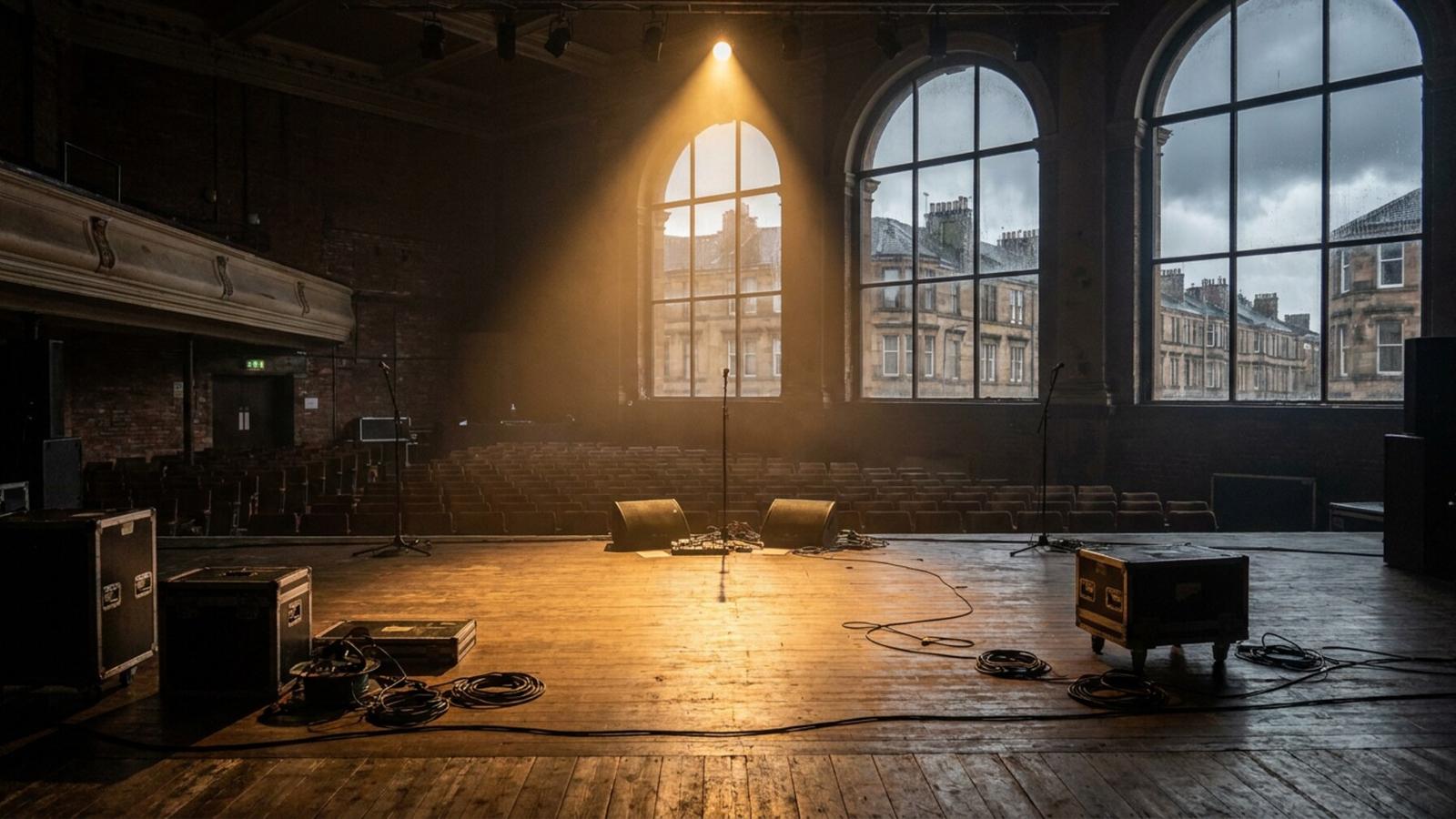
Glasgow marked its 850th anniversary in 2025 through citywide tours of the People's Palace collections that focus on the city's social history and development through the centuries.
Foundations in the Dear Green Place
Glasgow's name comes from the Brythonic term 'Glasgu,' meaning 'dear green place.' The settlement was founded around 540 AD by the missionary St Mungo near the Molendinar Burn. These early origins form the starting point for any account of the city's growth.
Royal Charter and Early Governance
The city received its royal charter in 1175 from King William the Lion. This step established Glasgow as a royal burgh and granted rights to hold markets and manage local affairs. The charter remains a key reference point in tracing how the settlement gained formal status.
Industrial Expansion Along the Clyde
During the 17th and 18th centuries Glasgow shifted from a small merchant town into a global industrial powerhouse and shipbuilding centre. Transatlantic trade routes along the River Clyde drove this change and drew workers from across Scotland and Ireland.
Population records show the scale of that shift. The city grew from approximately 77,000 residents in 1801 to over 750,000 by 1900 as employment opportunities expanded.
Public Collections and Ongoing Access
The 2025 anniversary events used the People's Palace collections to present this sequence of developments. Tours moved the material around the city so residents and visitors could connect the documented periods with present-day locations. The approach keeps the same verified timeline available for continued examination rather than creating new claims.
Future work on these records can draw directly from the same sources already used for the anniversary tours. No additional dated figures or events are required to maintain the established sequence of Glasgow's documented history.