culture
Glasgow's Architecture: Charles Rennie Mackintosh and the Victorian City
Glasgow's streets tell the story of a Victorian boomtown, from grand sandstone terraces to the distinctive designs of Charles Rennie Mackintosh.
Listen in English · 2 min
How we reported this
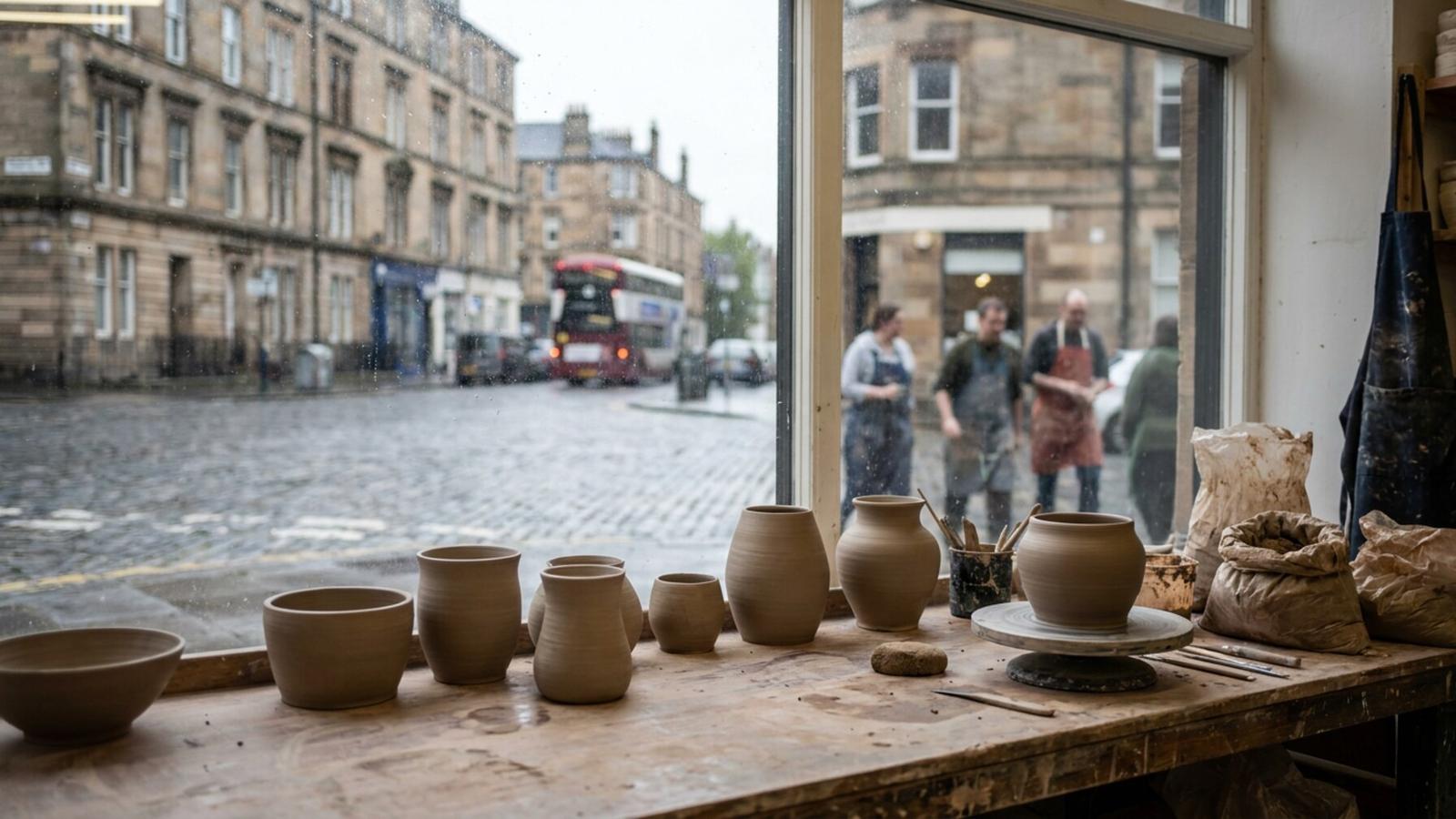
Glasgow's architecture reflects its history as a wealthy Victorian industrial city, when shipbuilding and trade funded a wave of grand construction. The result is a compact centre laid out on a grid and lined with sandstone commercial buildings, churches and warehouses, many now protected as listed buildings.
The city's most celebrated architect is Charles Rennie Mackintosh, a leading figure in the Glasgow Style and a pioneer of the Art Nouveau movement in Britain. His work can be seen across the city, from the House for an Art Lover in Bellahouston Park to the Mackintosh at the Willow tearooms on Sauchiehall Street, faithfully restored to his original designs. His masterpiece, the Glasgow School of Art, was badly damaged by fires in 2014 and 2018 and its restoration continues to be a subject of great interest in the city.
Beyond Mackintosh, Glasgow is rich in the work of other significant architects. Alexander Greek Thomson left a legacy of neoclassical churches and terraces, and the City Chambers on George Square is a lavish example of Victorian civic pride, with a marble interior open to the public on guided tours.
The Merchant City district preserves the warehouses and townhouses of the tobacco and sugar merchants who once traded here, now converted into flats, bars and shops. Walking tours run by the Charles Rennie Mackintosh Society and other local groups are a good way to understand how the city was built and why it looks the way it does today.
Modern architecture has its place too, from the titanium curves of the Riverside Museum to the SEC Armadillo and the OVO Hydro on the banks of the Clyde. Together, the old and the new give Glasgow a skyline that repays looking up as you walk, and many of the finest buildings are within easy reach of the city centre on foot.