Temperatures in Glasgow hit 29°C on Wednesday, the third consecutive day above 27°C — a sequence the Met Office says has not been recorded in the city since monitoring began at Bishopton weather station in 1959. The timing is stark. France recorded more than 2,000 excess deaths at the peak of its heatwave last week, and the same pressure system is now sitting over the British Isles. Glasgow is not Paris, and it is not Lyon, but the gap is narrowing faster than city planners had anticipated.
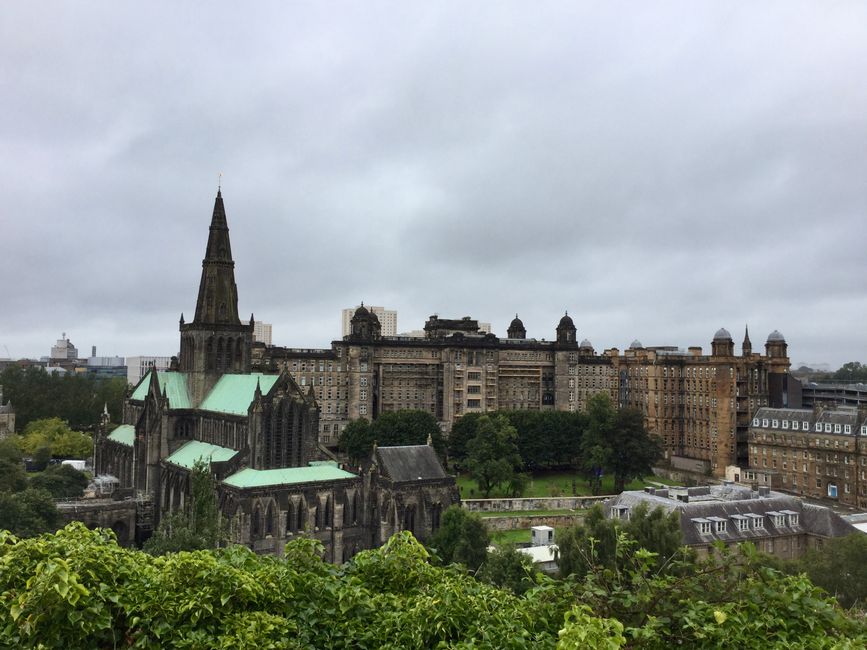
This matters now because Glasgow's infrastructure was engineered for cold and rain. The sandstone tenements of Dennistoun and Partick that house tens of thousands of residents have no mechanical ventilation and almost no insulation designed to repel heat. They trap it. NHS Greater Glasgow and Clyde activated its Heat Health Alert protocol on Tuesday, directing GP surgeries across the East End to proactively contact patients over 75 with chronic respiratory conditions. The health board has not confirmed how many calls were made, but it said the alert is at Level 3 — the same threshold that triggered emergency cooling centre openings in Edinburgh during the July 2022 event.
What Glasgow Is Doing That Other Cities Are Not
Glasgow City Council opened five designated cooling centres on Wednesday, including the Gorbals Leisure Centre on Caledonia Road and the Pearce Institute on Govan Road, both of which offered extended hours until 9pm. That is a faster activation than the council managed during the 2022 heat event, when cooling facilities were not announced until temperatures had already peaked. Staff at the Pearce Institute reported a steady flow of elderly residents from the surrounding tenement blocks through the afternoon.
Compare that response to Lyon, a city of broadly similar population — around 520,000 in the urban core — which deployed its Plan Canicule at Level 2 this week, opening 34 designated cool spaces and running targeted welfare checks via the local authority's social services arm. Glasgow's five centres look thin against that number, though council officials point out that the city's public library network, including the Mitchell Library on North Street, remains air-conditioned and open, effectively doubling available refuge space without formal designation.
Edinburgh, for its part, opened eight cooling venues by Tuesday afternoon and issued a joint communication with Lothian Buses directing passengers to air-conditioned services. Glasgow's SPT network has not issued equivalent guidance, though Subway stations on the Clockwork Orange loop have been noted on social media as unexpectedly cool environments, sitting as they do between six and nine metres below street level.
The Data Gap Glasgow Needs to Close
There is no reliable city-wide count of heat-vulnerable households in Glasgow. The council's most recent fuel poverty assessment, published in March 2025, identified roughly 34% of Glasgow households as fuel-poor — but that data captures cold-weather vulnerability, not heat exposure. Cities including Rotterdam and Berlin have invested since 2022 in dedicated urban heat mapping, overlaying surface temperature satellite data with social vulnerability indices to produce street-level risk scores. Glasgow has no equivalent public tool.
The Scottish Government's Heat in Buildings Strategy, updated in December 2024, allocates £200 million toward retrofit insulation across Scotland through 2028, but the programme is weighted toward cold-weather performance. Campaigners at the Existing Homes Alliance Scotland, based in Edinburgh, have been pushing since early 2026 for a summer heat annex to the strategy. No response has been published.
For Glaswegians this week: the Met Office forecast shows temperatures remaining above 25°C through Sunday, with overnight lows staying above 16°C in the city centre — conditions that prevent the building fabric from cooling down between days. The NHS Greater Glasgow and Clyde heat alert page lists current cooling centre locations and is updated each morning by 8am. Anyone without access to the internet can call NHS 24 on 111 for the nearest venue. The council has said it will review whether additional sites need to open if the forecast holds beyond Saturday.
This article was compiled by AI and screened before publishing. See our editorial standards.