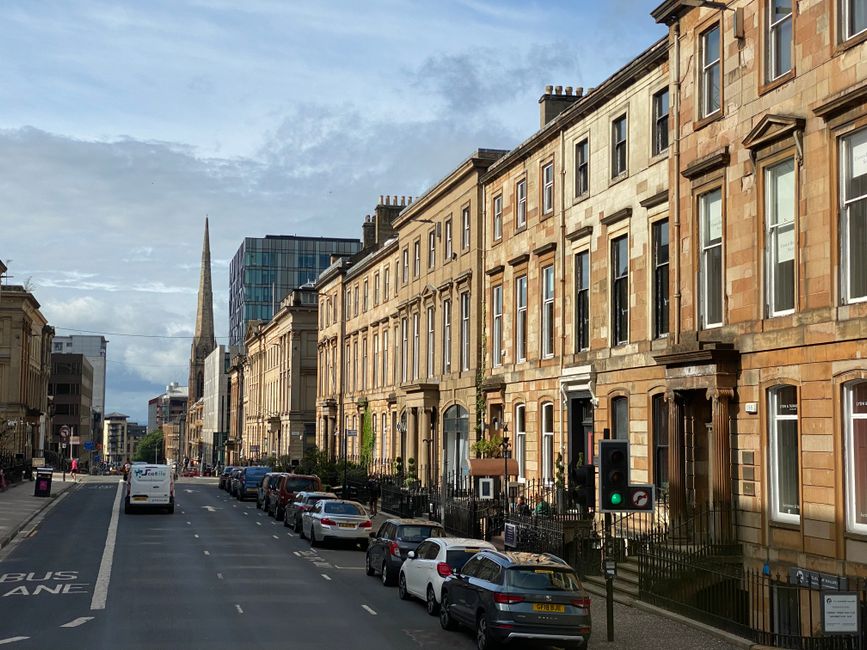
The launch of Moda Living’s £115 million Holland Park scheme on Pitt Street this spring has put Glasgow’s build-to-rent sector squarely in the spotlight, with glossy new flats promising hotel-style amenities and rents to match. The question for city dwellers remains: do these premium rentals make more financial sense than scrimping for a mortgage?
With mortgage approvals across Scotland at their lowest since 2013 and the cost-of-living squeeze dragging on, the affordability of renting versus buying is more fraught than ever. Rising interest rates have driven the average two-year fixed mortgage in Glasgow to 5.2%, according to Nationwide figures for June, pushing the monthly payments on a typical two-bedroom flat in Finnieston past £1,100 even with a hefty deposit. Meanwhile, would-be first-time buyers are finding it harder to save as rents continue to climb—and developers are stacking perks into new build-to-rent schemes that single out renting as a lifestyle choice, not just a fallback.
What Build-to-Rent Offers (and Who’s Moving In)
Among the most talked-about newcomers is Platform_, whose distinctive tower by Central Station opened late last year. The company has filled nearly 80% of its 498 units, drawn by features more common in hotels than rental blocks: 24-hour concierge, communal lounges overlooking Argyle Street, even an in-house gym included in the rent. Down the river, the Buchanan Wharf development from Legal & General—home to Barclays' headquarters—has started leasing the first phase of 324 rental-only apartments, integrating resident events and rooftop gardens designed to appeal to young professionals leaving the suburbs or city centre flatshares behind.
"Amenities are the headline," says Claire MacDonald, a lettings specialist based in the West End, pointing to the popularity of co-working spaces and parcel lockers in Gorbals’ Water Row project managed by Home Group. Many schemes also promote flexible leases—tenancies that run for as little as six months or as long as three years—and ban or severely restrict letting agency fees, which remain common in the private market. But all those extras come at a cost: Moda’s one-beds start at £1,150 per month in Holland Park and two-beds run to £1,500. For comparison, Scottish Government statistics put the median private rent for a new city centre two-bed at £1,050 in March 2026.
The Numbers Game: Rent vs Buy in 2026
Buying is no longer the obvious route to savings in Glasgow. Bank of Scotland’s May figures estimate the average price for a two-bed flat at £205,000 in Woodlands or a similar city centre postcode. With a 10% deposit of £20,500 and current mortgage rates, first-time buyers face all-in monthly costs of £1,180—excluding maintenance, factoring and the new common repair levies introduced under Glasgow City Council’s 2025 tenement safety rules. Factor in legal fees and a slow-moving market (Citylets reports homes now spending an average of 47 days before offer), and the premium rents for prime build-to-rent appear more competitive—at least for tenants who value location and on-site amenities over long-term equity.
For those not wedded to ultra-modern living, large landlords like Glasgow Housing Association (GHA) and Wheatley Homes still dominate the low-rent end of the spectrum, offering two-bed social housing from £460 per month. But with waiting lists stretching years and strict eligibility, many young professionals are left to choose between costly private rentals and these new, amenity-laden but similarly priced build-to-rent blocks.
Potential tenants should closely review lease terms, especially service charge details and annual rent uplifts. With Scotland’s rent cap having ended last April, most build-to-rent providers now benchmark yearly rises to inflation (CPI), meaning future affordability could shift. Meanwhile, new schemes are in the pipeline for Tradeston and the Merchant City, suggesting more options—and competition—are on the horizon for Glasgow renters. Would-be buyers, especially those with stable careers who plan to stay put, may still find that home ownership brings stability over the long term. But for the city’s mobile workforce, the new crop of build-to-rent homes aims to bridge the gap—at least until mortgage rates come down or city centre prices cool.