Technology
Glasgow startups surge as tech ecosystem attracts major investment and talent.
From the Clyde's waterfront accelerators to Merchant City co-working hubs, Glasgow's startup ecosystem is generating real momentum in the first week of July 2026.
How we reported this
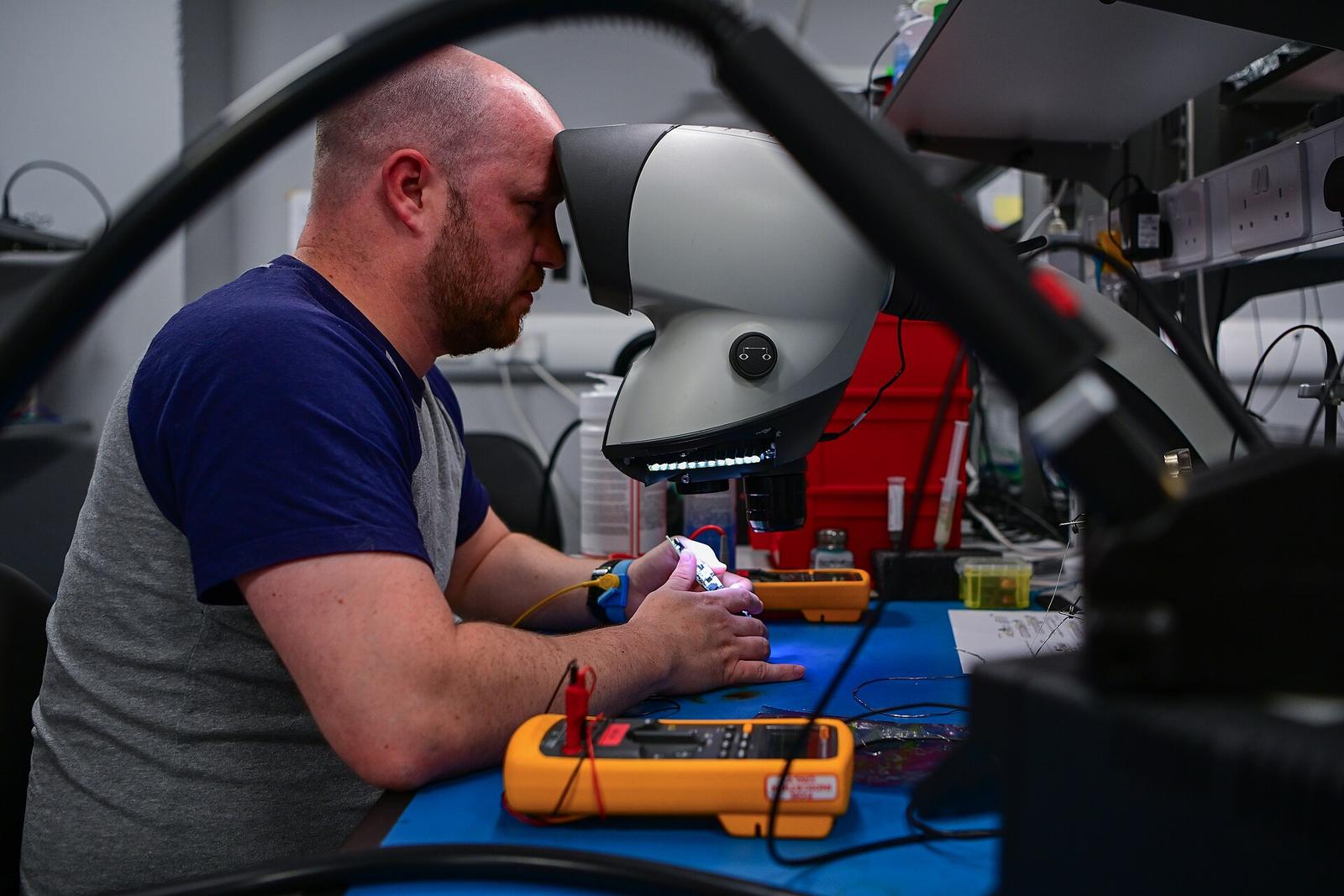
Three new technology companies incorporated in Glasgow during June alone have already secured a combined £4.2 million in pre-seed funding, according to figures released this week by Scottish Enterprise. The deals span artificial intelligence tooling, climate-tech hardware, and a B2B SaaS platform aimed at the social care sector, a range that reflects how deliberately Glasgow's founders are pitching against the city's existing industrial and public sector strengths rather than chasing trends from elsewhere.
The timing matters. European geopolitical turbulence, war pressures in the east, energy supply anxiety across the continent, has pushed institutional investors toward jurisdictions they consider stable and talent-rich. Scotland's universities, particularly the University of Glasgow's James Watt School of Engineering on University Avenue, have been turning out engineering graduates at a rate London-based VCs are starting to notice. Several fund managers from firms based in Berlin and Amsterdam were in the city last month specifically to scout deals.
Pockets of Activity Across the City Centre
The most visible cluster of activity right now sits along the Broomielaw and into the Clyde Waterfront Innovation District, where Barclays Eagle Labs anchors a strip of office and lab space that has filled almost entirely since late 2025. Occupancy there is running at 94 percent, an unusually tight number for a facility that only opened its second phase in September 2024. Startups inside include Kalder Systems, which is building energy monitoring hardware for commercial landlords, and a cybersecurity analytics firm called Redpath Intelligence that employs 14 people and is currently recruiting for six more roles.
Over in Merchant City, the co-working operator Clockwise on Miller Street has reported a 31 percent year-on-year increase in hot-desk memberships taken up by solo founders and very early teams. The desk rate for a full-time flex pass sits at £299 per month as of July 2026, up from £249 eighteen months ago, a price signal that reflects demand rather than landlord opportunism, according to property consultants who track the market. Clockwise's community manager told The Daily Glasgow this week that waitlists for private offices are currently running at six to eight weeks.
Separately, the Glasgow City Innovation District around Cathedral Street has seen the Cathedral Square precinct fully let for the first time since the development opened. Anchor tenant Censis, the Scottish sensors and imaging centre, expanded its footprint by 3,000 square feet in May and is co-locating with two spinouts from the University of Strathclyde's Advanced Forming Research Centre in Renfrewshire.
What the Numbers Are Telling Founders to Do Next
Scottish Enterprise data shows that Glasgow-based tech companies raised a total of £118 million across all stages in the twelve months to May 2026, a 22 percent increase on the prior year and the highest annual figure since records in the current format began in 2019. The growth is concentrated in Series A and below, a sign that the ecosystem is generating founders at pace but still relies heavily on London and international funds to carry companies through growth rounds.
That gap is exactly what the newly launched Clyde Capital Fund, a £30 million vehicle backed by Glasgow City Council and three Scottish institutional investors, is designed to address. The fund opened its first application window on 1 July, with a stated focus on companies based in the Greater Glasgow region, at a ticket size between £500,000 and £2 million. Applications close on 15 August. Founders who spoke to this newspaper say the terms look competitive against equivalent English regional funds, though they are watching closely whether the assessment process will move faster than the public-sector norm.
For anyone building a company here right now, the practical picture is this: space is available but tightening fast, early-stage capital is more accessible than it was two years ago, and the talent pool is genuinely competitive with cities twice Glasgow's size. Get your Clyde Capital Fund application in before the August deadline, and keep an eye on the Strathclyde Technology Accelerator cohort announcement expected later this month, four of last year's twelve graduates went on to close funding rounds within six months of the programme ending.