wellness
Glasgow Neuroscientists Reveal How Mindfulness Physically Transforms Your Brain
Neuroscientists have moved well beyond the hype, here's what the research actually shows about meditation, grey matter, and why Glasgow's wellness community is paying close attention.
How we reported this
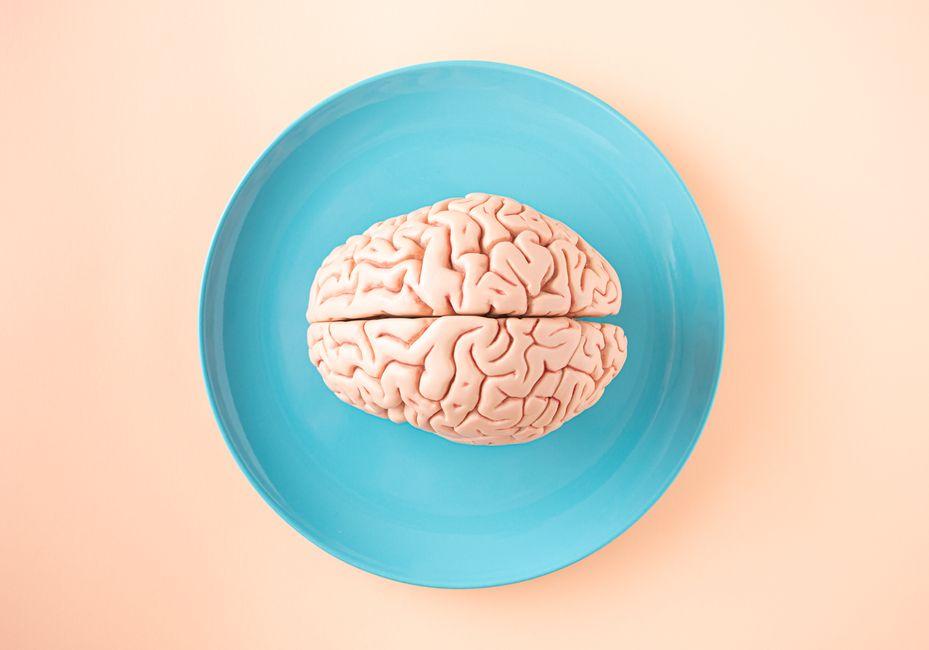
Eight weeks. That is how long it takes for a structured mindfulness programme to produce measurable changes in brain structure, according to research published by Harvard Medical School. The study, which used MRI scans on participants before and after an eight-week Mindfulness-Based Stress Reduction course, found increased cortical thickness in the hippocampus, the region central to learning and memory, and a measurable shrinkage of the amygdala, the brain's threat-detection hub. These are not metaphorical changes. They show up on a scanner.
That finding landed more than a decade ago, but in mid-2026 it carries fresh weight. Mounting pressure on NHS Greater Glasgow and Clyde's mental health waiting lists, which stretched to over 18 weeks for many adult psychology referrals as of early this year, has pushed both clinicians and ordinary Glaswegians toward self-directed tools. Mindfulness, once filed under spa-weekend luxury, is now being examined with the same clinical seriousness as low-dose pharmacology.
What the Brain Research Actually Shows
The hippocampal thickening matters because chronic stress does the opposite, it erodes the structure over time, impairing both memory and emotional regulation. Mindfulness appears to interrupt that erosion. Separately, a 2023 meta-analysis in Neuroscience and Biobehavioral Reviews, drawing on 78 neuroimaging studies and more than 3,000 participants, confirmed consistent activation changes in the prefrontal cortex during meditation. That region governs executive function: planning, impulse control, and the ability to pause before reacting.
There is also the default mode network to consider. This is the brain circuitry most active when the mind wanders, replaying arguments, rehearsing anxieties, constructing narratives about the self. In experienced meditators, the default mode network shows significantly reduced activity and, crucially, stronger connections to the regions that regulate it. Less rumination. Faster recovery from distraction. That is not a lifestyle claim; it is a measurable neurological pattern.
Cortisol is the other marker researchers watch. A trial at University College London found that an eight-week online mindfulness course reduced salivary cortisol levels by roughly 13 percent in participants reporting moderate stress. The effect was modest but consistent, and it persisted at a three-month follow-up.
Glasgow's Growing Mindfulness Infrastructure
The city has built quiet but substantial capacity in this space. The Glasgow Mindfulness Centre, based on West Regent Street in the city centre, runs certified eight-week MBSR courses starting at £295 per person, with concession rates available. Their autumn 2026 cohort opens for registration this month. Further west, Yoga Haven on Otago Street in the West End has expanded its schedule to include dedicated mindfulness meditation sessions three mornings a week, drawing a mix of students from the nearby University of Glasgow and working professionals.
NHS Greater Glasgow and Clyde has also embedded mindfulness training inside its Living Life service, a stepped-care programme for mild to moderate anxiety and depression. Referrals come through GP practices across the city, and the digital component, guided audio sessions, can be accessed without a waiting list. It is not a replacement for therapy, but for someone sitting on an 18-week queue, it is something concrete to begin with.
The Breathing Space programme, delivered across several community centres in the Southside including Govanhill Baths, takes a different approach, drop-in sessions, no booking required, sliding-scale suggested donations between £3 and £8. Attendance has reportedly grown since late 2025, with facilitators describing fuller rooms across the board.
For anyone in Glasgow curious about starting, the evidence points toward consistency over duration. Research suggests 10 to 20 minutes daily produces stronger neurological effects than a single long session once a week. Apps such as Headspace or Insight Timer offer structured beginner tracks, but local in-person courses carry one advantage the apps cannot replicate: group practice, which several studies associate with stronger adherence rates at the six-month mark. As always, those managing diagnosed mental health conditions should speak with a GP or qualified practitioner before substituting or adjusting any existing treatment plan.