Wellness
Your Brain on Mindfulness: What the Science Actually Shows
Researchers have mapped the neurological changes that meditation produces — and Glasgow's wellness community is paying close attention.
4 min read
Wellness
Researchers have mapped the neurological changes that meditation produces — and Glasgow's wellness community is paying close attention.
4 min read
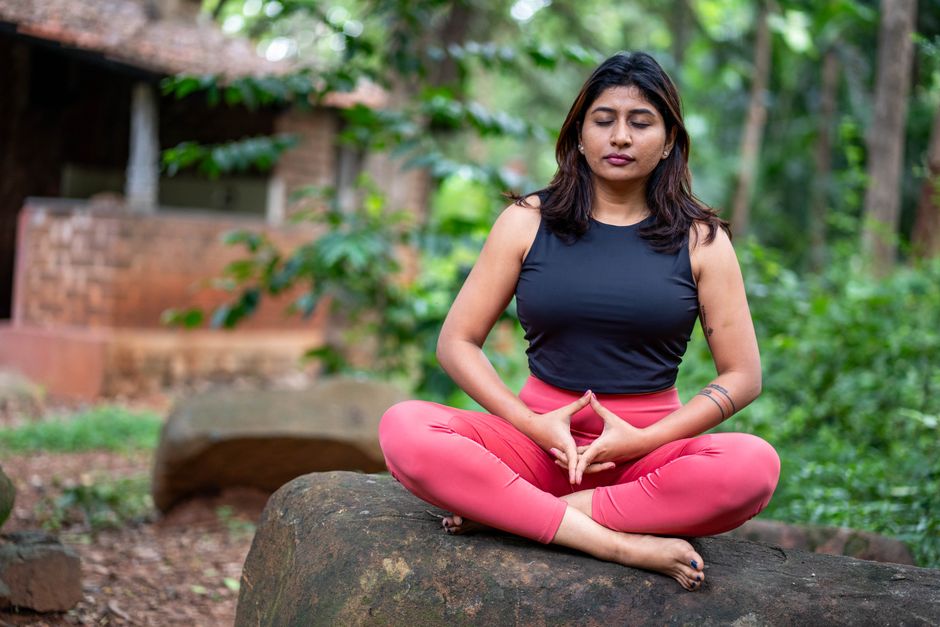
Eight weeks. That is how long it takes for a consistent mindfulness practice to produce measurable structural changes in the human brain, according to research published by Harvard Medical School. The finding — now replicated across dozens of peer-reviewed studies — has shifted mindfulness from wellness trend into legitimate neuroscience, and instructors and clinicians across Glasgow are noticing the difference in how people talk about why they show up to class.
The timing matters. After years of record heat across the northern hemisphere and relentless economic pressure squeezing household budgets, levels of chronic stress and sleep disruption in the UK are climbing. NHS Greater Glasgow and Clyde reported in its 2025 annual mental health update that one in four adults in the health board's catchment area — covering roughly 1.2 million people — described their stress as unmanageable on at least a weekly basis. Mindfulness is no longer being positioned as a luxury. Clinicians are increasingly pointing patients toward it as a first-line tool.
The neuroscience centres on three regions. The prefrontal cortex — responsible for decision-making and emotional regulation — shows increased grey matter density in long-term meditators. The amygdala, the brain's alarm system, shrinks measurably in volume after consistent practice, making it less reactive to perceived threats. And the hippocampus, critical for memory and learning, grows denser. A landmark 2011 study led by Sara Lazar at Massachusetts General Hospital found cortical thickening in the prefrontal and insular regions after just eight weeks of Mindfulness-Based Stress Reduction, or MBSR — the standardised eight-week programme originally developed by Jon Kabat-Zinn at the University of Massachusetts in 1979.
MBSR costs between £250 and £350 for a full eight-week course in most UK cities. In Glasgow, the Mindfulness Association, based on West Regent Street in the city centre, runs accredited courses starting at £275 and has trained practitioners across Scotland since 2010. The Yoga and Meditation Centre on Great Western Road in the West End offers drop-in meditation sessions from £10, alongside a six-week introduction to mindfulness for £180. Both programmes report consistent waiting lists since early 2025.
The default mode network — the brain circuitry that fires when we daydream, ruminate, or replay anxious thoughts — is where meditation does some of its most significant work. Functional MRI studies show that regular meditators demonstrate reduced activity in this network during rest, which correlates with lower rates of depression relapse. A 2023 meta-analysis in the journal Psychological Medicine, drawing on data from 11,605 participants across 36 trials, found that MBSR reduced symptoms of generalised anxiety disorder by 38 percent compared with control groups receiving no intervention.
The Glasgow Wellbeing Hub, operating out of the Trongate area of the Merchant City, began embedding a six-session mindfulness module into its recovery support programme for long-term unemployment in January 2026. Participants attend weekly 75-minute guided sessions alongside practical job coaching. Early internal data from the Hub's first cohort of 42 participants showed self-reported stress scores dropping by an average of 31 percent over the six weeks — a figure the Hub's co-ordination team intends to submit for independent academic review by the end of 2026.
NHS Scotland's national Breathing Space service, reachable on 0800 83 85 87, now includes guided audio mindfulness exercises developed in partnership with the University of Stirling. They are free and available around the clock.
For anyone considering starting, the evidence suggests consistency matters more than duration. Ten minutes daily outperforms 70 minutes once a week, according to a 2022 study from University College London. The Mindfulness Association on West Regent Street runs a free taster evening on the first Thursday of each month — the next one falls on 3 September. The Yoga and Meditation Centre on Great Western Road offers a similar introductory session on the second Saturday morning of each month for £5. Both are solid starting points. As with any health concern, speaking with your GP before beginning a structured programme is advisable, particularly for anyone managing a diagnosed mental health condition.
About this article
Published by The Daily Glasgow
Spread the word
Daily brief
Free, in your inbox before 7am. Weekdays.
The Daily Network — local news across Australia