Glasgow's restaurant landscape has undergone a quiet revolution over the past three years, and it's not about Michelin stars or Instagram aesthetics. Walk into any of the city's serious dining rooms right now and you'll find something more valuable: ambitious cooks who've bet their careers on making this city their permanent home.
The shift matters because it signals confidence. When restaurant owners choose to invest in Finnieston or invest further into the Merchant City rather than chase London rents, they're betting on Glasgow itself. That bet is now paying dividends, with the city attracting diners from across Scotland and beyond who come specifically for the people running these kitchens, not just the concept of fine dining.
The Finnieston Effect
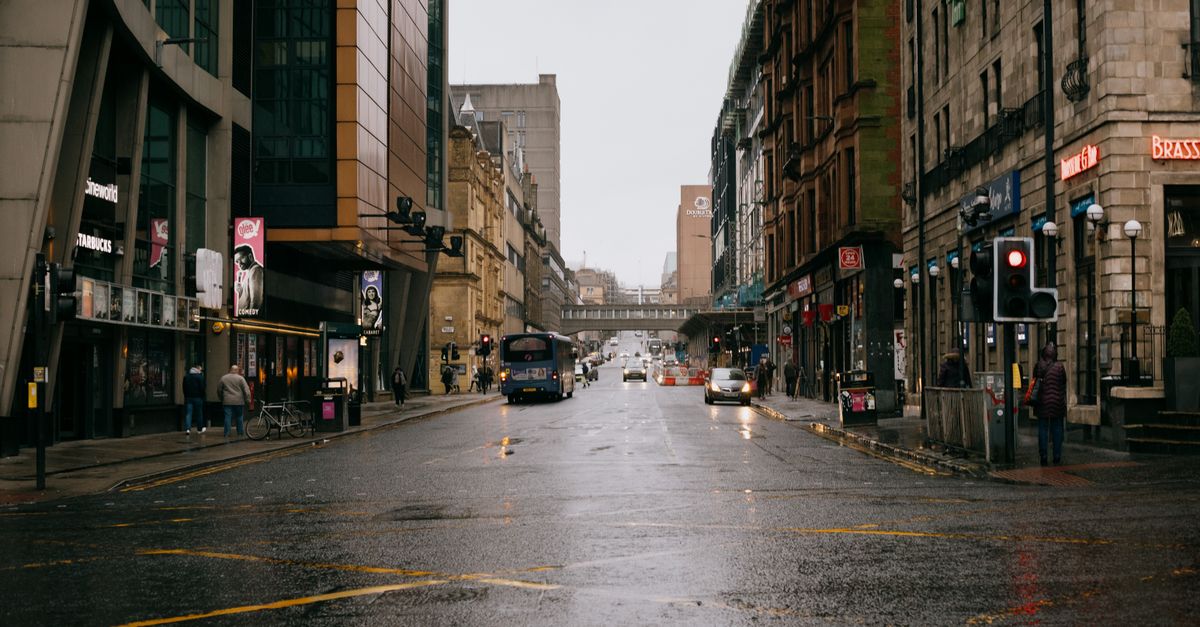
Drive down Argyle Street on any given Thursday night and you'll see the evidence: packed restaurant windows, street tables occupied until late, the kind of foot traffic that suggests real economic activity rather than trend-chasing. Finnieston has become the epicentre of this shift, with establishments like Cote and Schawtie now operating as anchor tenants that justify the area's reputation as something more than a novelty neighbourhood.
What makes this different from earlier waves of Glasgow restaurant hype is the permanence of the people involved. Many of the head chefs operating in Finnieston, Pollokshields, and the Merchant City opened their first Glasgow restaurant between 2018 and 2022. They're still here. They've hired local kitchen staff, often training people from Glasgow communities who had limited hospitality prospects. They've become fixtures in their neighbourhoods rather than temporary operators working toward a London exit.
The Restaurant Association Scotland reported in March 2026 that Glasgow establishments have seen a 23 percent increase in repeat custom over the previous two years, one of the highest rates across major Scottish cities. That metric—repeat custom rather than novelty visits—reflects the shift toward chef-focused, locally embedded restaurants.
Community Stakes and Kitchen Culture
Consider the economics: a head chef running a serious kitchen in Glasgow's West End pays substantially less in rent than equivalent talent in Edinburgh or Manchester, yet can charge competitive prices because diners come for the reputation they've built. That mathematics has attracted people willing to take genuine risks. Some have opened second locations. Others have begun mentoring younger cooks through formal apprenticeships with local vocational colleges.
The South Side has seen particular growth, with restaurants opening on Kilmarnock Road and around Strathbungo that are drawing diners specifically because the operators have deep community connections. These aren't outsider concepts imposed from above; they're extensions of neighbourhoods that support them.
Practical details matter here. Most of Glasgow's serious restaurants now source at least 40 percent of ingredients from Scottish suppliers within 50 miles of the city, according to a survey by Glasgow Food Policy Partnership conducted in May 2026. That commitment translates into relationships with farmers, fishmongers, and producers who become part of the restaurant's narrative. Diners increasingly ask where things come from because the people running these kitchens have educated them to care.
If you're planning a restaurant visit in Glasgow now, the smart move is to follow the names rather than the neighbourhoods. Call ahead to find out who's running the kitchen. Ask about their background. The best tables in this city are no longer defined by décor or location—they're defined by the ambitions of the people who've decided Glasgow is where they want to build their careers. That's the real story worth your evening.
This article was compiled by AI and screened before publishing. See our editorial standards.