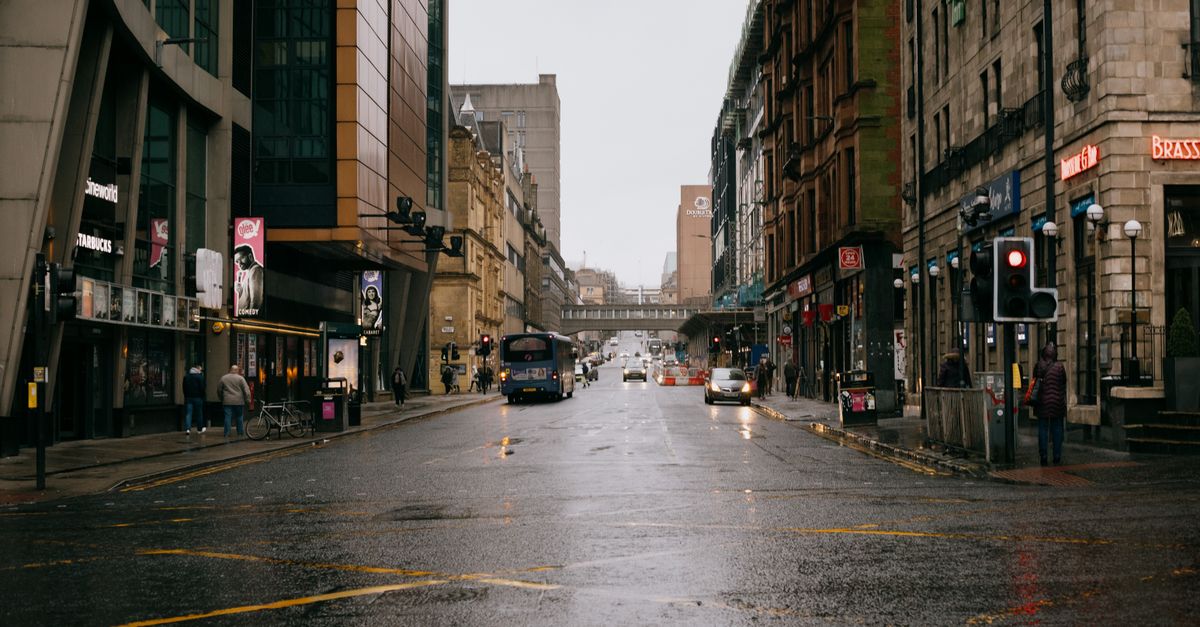
Glasgow's restaurants, bars, and shops are packed again as summer tourism rebounds, but the city's lifestyle landscape looks different than it did two years ago. Prices have climbed across food and drink venues, several long-standing retailers have shuttered, and new neighbourhoods are attracting spend that once concentrated on Buchanan Street and the West End. If you're planning a weekend in the city—or you live here and want to know where your money actually goes—here's what you need to know before you walk out the door.
The shift matters now because inflation has reshaped consumer habits across the UK, and Glasgow is no exception. A combination of supply chain pressures, staffing costs, and increased footfall means that a casual meal or shopping trip requires different budgeting than it did in early 2024. Venues have adapted by raising prices, shrinking portion sizes, or pivoting their offering entirely. Understanding where money stretches furthest—and which neighbourhoods have genuinely changed—helps you spend smarter.
Where the Money Goes: Food, Drink, and Honest Prices
A main course at a mid-range restaurant in Glasgow's city centre now runs between £16 and £22, up from £12 to £16 in 2023. Brunch spots around Merchant City—where Espresso Lane and similar independent cafes operate—charge £9 to £13 for a full breakfast plate. A pint of lager at a central bar averages £5.50 to £6.20, depending on location and whether you're on Sauchiehall Street or tucked into a quieter corner venue in the Merchant City conservation area.
The independent food scene remains Glasgow's best value. Bathgate Street's restaurant cluster and the emerging spots around Finnieston still offer better pricing than chain competitors. The Clyde Street area, particularly around the Riverside Museum precinct, has attracted newer independent venues with lower overhead costs, which typically translates to more forgiving food prices. A decent two-course dinner with a drink costs £25 to £35 rather than the £40-plus you'll spend in West End stalwarts like Kelvingrove or around Byres Road.
Supermarket shopping tells the same story. A basket of groceries at Tesco or Sainsbury's—both with multiple Glasgow locations—costs roughly 18 percent more than it did in January 2024. That matters if you're staying in a short-term rental and planning to self-cater.
Retail: Closures, Openings, and Where to Browse
Buchanan Street has lost footfall to both online shopping and new retail pockets emerging elsewhere. Several fashion retailers have closed their city-centre flagship stores since early 2025. Argyle Street still functions as Glasgow's traditional shopping spine, but independent boutiques—particularly on and around Ingram Street—have become the draw for visitors seeking something beyond chain stores.
The Merchant City area remains vital for shopping and dining. Galleries and smaller fashion retailers operate here, and rent transparency means prices for goods reflect lower commercial costs than Buchanan Street branches. The vintage and secondhand clothing market in Glasgow, once a niche draw, has expanded significantly. Shops like those clustered near Glasgow Green offer quality clothing at £3 to £12 per item—a genuine alternative to high street pricing.
Westfield shopping centre (opened 2024 expansion) introduced new anchor retailers and mid-market brands, drawing some consumer spend westward. Travel time matters: the city centre remains accessible by subway for 80 pence (as of June 2026), making a shopping expedition feasible even if you're staying on the South Side.
One concrete shift: charity shops have professionalized pricing. A designer garment at an Oxfam or British Heart Foundation store now costs £8 to £18 rather than £2 to £5. They're still value-conscious, but scarcity pricing has arrived in the secondhand market.
Before heading out, check whether venues you want to visit have reduced hours (several independent restaurants now close Mondays or Tuesdays to manage staffing costs). Book restaurants where possible, particularly Thursday through Sunday. Weekday lunch crowds are thinner, and many spots offer set menus at lower prices during off-peak hours. Carry cash for small independent cafes—card processing fees have pushed some toward incentivizing cash transactions. And use Glasgow's free walking routes through the Necropolis or along the Clyde Walkway to offset spending on paid attractions if your budget is tight.