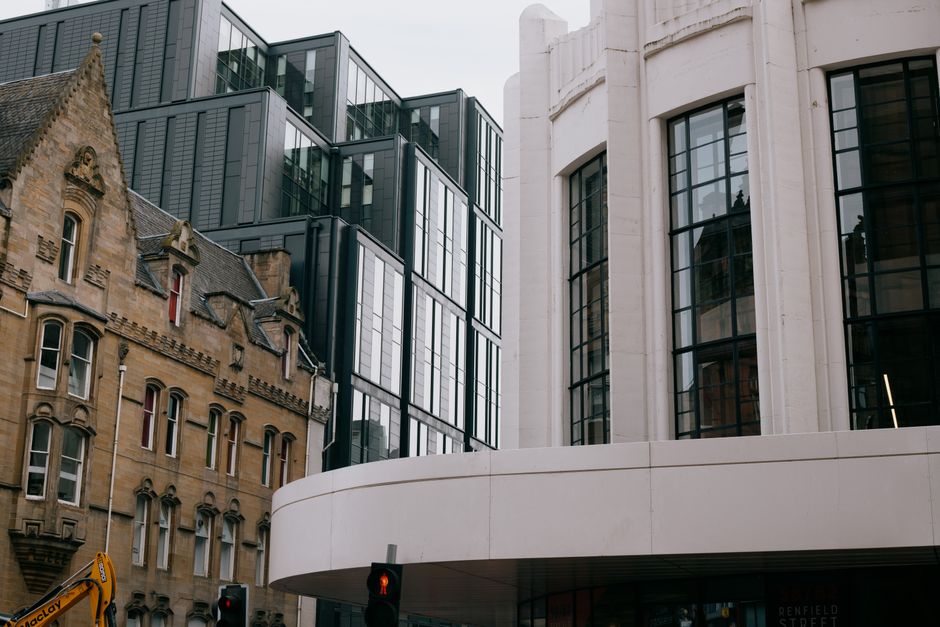
Residents in Govan, Maryhill, and Drumchapel have raised growing concerns about what they describe as a pattern of duplicate and generic imagery being used to represent their communities in planning consultations, housing development brochures, and council-published reports — with some saying the practice feels dismissive of the specific character and history of each area.
The complaints have sharpened in recent months as Glasgow City Council pushes forward with several major regeneration programmes across the city's west end and peripheral estates. Community members who attended consultation events in the spring say they were shown presentation materials featuring photographs that either did not depict their neighbourhood at all, or appeared in multiple separate documents for different areas — sometimes identical images used to illustrate communities more than four miles apart.
Same Image, Different Postcode
At a public consultation held in March at the Govan Old Parish Church on Govan Road, local attendees noticed that images in the project literature for a proposed housing renewal scheme appeared to match photographs used in a separate Maryhill regeneration document published by the council in late 2025. Both sets of materials were produced in connection with Glasgow's Strategic Local Development Plan review. Neither document credited a specific photographer or location for the images used.
Community group Govan Community Project, which operates from Orkney Street and has worked with residents in the area for more than two decades, has been gathering informal testimony from members who attended the consultations. Volunteers there say that the issue is not simply aesthetic — it goes to the heart of how communities are understood and engaged by statutory bodies. One long-term Govan resident, speaking at a group meeting, described the feeling of opening a glossy brochure about her street and seeing a generic photograph of terraced housing that bore no resemblance to any building in the area.
In Drumchapel, members of the Drumchapel Community Council raised the duplicate imagery question during their May meeting, citing three separate published documents — two from Glasgow City Council and one from a registered social landlord operating in the area — that appeared to use the same exterior shot of a low-rise residential block. The Drumchapel Community Council covers an area where approximately 17,000 people live, according to the most recent mid-year population estimates for the neighbourhood published by National Records of Scotland.
Why This Matters Now
The complaints are landing at a sensitive time. Glasgow City Council is currently overseeing more than £250 million in housing and infrastructure investment across the city as part of commitments tied to the city's 2030 Sustainability and Regeneration Framework. Public participation in those processes is not optional — Scottish planning legislation under the Planning (Scotland) Act 2019 places a statutory duty on local authorities to meaningfully engage communities ahead of major development decisions.
Critics argue that when communities see their neighbourhoods illustrated with photographs that could have come from a stock image library — or that visibly depict a different place entirely — trust in the consultation process erodes. The Poverty Alliance, headquartered on Elmbank Street in Glasgow, has previously highlighted in its published research how the visual language of regeneration communications can shape whether residents feel included or managed. That broader concern now has a very local, practical dimension.
Glasgow City Council has been contacted for comment. A spokesperson's position on the specific documents cited by community groups had not been received by the time of publication.
For residents who want to push back, community legal organisation Govan Law Centre on Orkney Street advises that members of the public have the right to formally request clarification on consultation materials under Freedom of Information legislation. Community councils also have standing to submit official objections during planning application periods. The next scheduled planning review session relevant to the Govan corridor is listed for September 2026 in the council's published committee calendar — and local groups say they intend to have their concerns formally on record well before that date.