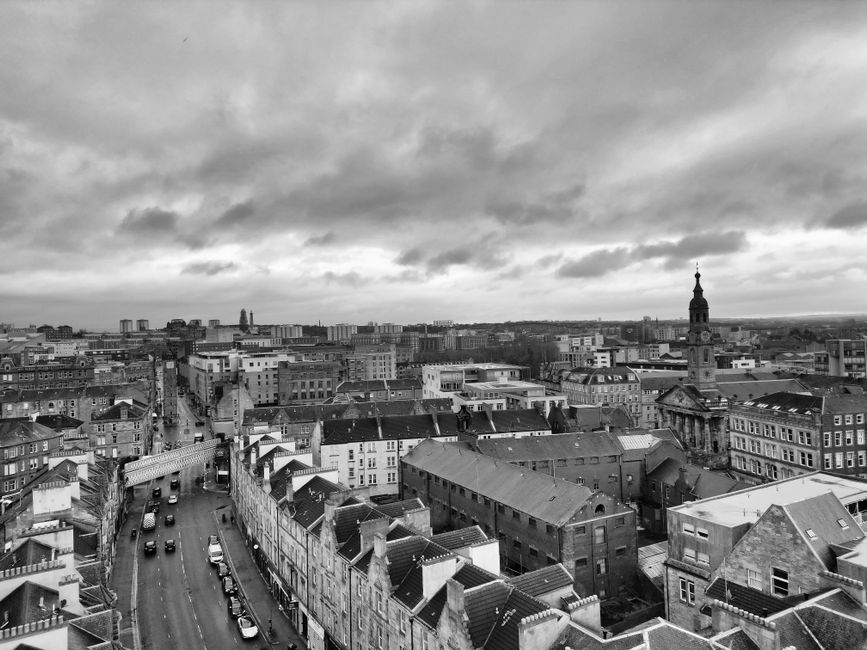
Glasgow City Council's digital planning archive holds tens of thousands of photographs, street elevations, building condition surveys, heritage assessments, uploaded over more than a decade by contractors, planning officers, and community liaison teams. A significant portion of those images, by the council's own internal estimates, are exact or near-exact duplicates, clogging the system and, in several documented cases, causing confusion during development application reviews.
The problem did not arrive overnight. It accumulated through a combination of inconsistent upload protocols, a shift between two document management platforms in 2019, and a period of reduced oversight during the Covid-19 pandemic years when remote working stretched IT governance thin. The result is a civic records system that officers describe informally as unwieldy, though the council has not yet published a formal audit of the scale of the duplication.
The Roots of the Problem
Glasgow's planning department migrated from its legacy IDOX system to a newer case management platform beginning in late 2019, a transition that carried over archived submissions without deduplication. Contractors submitting planning applications routinely attached the same site photographs multiple times, once as part of a design statement, once within a heritage report, sometimes again as standalone appendices. Nobody was checking for repeats at the point of upload.
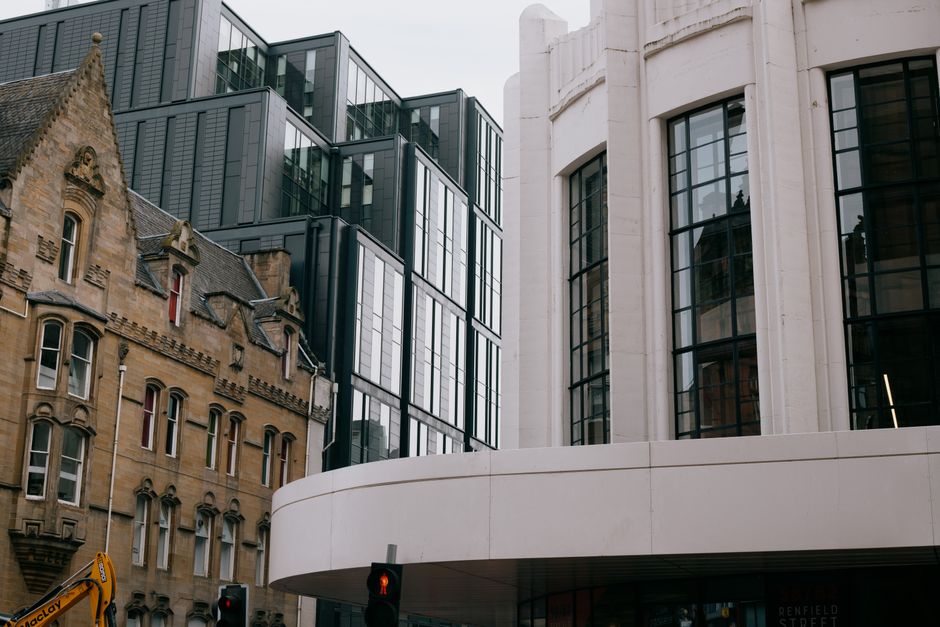
The Merchant City Conservation Area and the tenement streets around Maryhill Road both generated high submission volumes during this period, partly because of the volume of conversion and refurbishment applications. Planning case files for properties in those areas frequently ran to several hundred pages, with image duplication adding bulk without adding information. Officers tasked with reviewing applications were scrolling past repeated street photographs of the same sandstone facades.
A freedom of information request submitted to Glasgow City Council in March 2026 by civic technology group Open Glasgow, which advocates for transparent and efficient public records, sought figures on the volume of planning image submissions since 2018. The council's response, issued in May 2026, confirmed the digital archive contained more than 340,000 individual image files but declined to provide a breakdown of duplication rates, citing the cost of compiling the data.
Open Glasgow argues the cost of not compiling it is higher. The group points to at least three planning applications in the Govan and Partick areas where, they contend, reviewers working from cluttered case files missed material changes to facade designs because key comparative images were buried beneath repeated uploads. The council has not confirmed or disputed that specific claim.
Pressure Builds for a Systematic Solution
The issue has moved closer to formal attention this year. The council's Planning Applications Committee received a report in April 2026 recommending a review of submission guidelines for digital assets, with a working group set up to report back by October 2026. That working group includes representatives from Architecture and Design Scotland, whose remit covers built environment quality across the country, and officers from the council's own Development and Regeneration Services directorate.
Several Scottish local authorities, including Edinburgh City Council, have already introduced automated deduplication checks at the point of digital submission, a step Glasgow has not yet taken. Edinburgh's system, implemented in 2024, flags repeated files before they enter the formal record. Glasgow's planning portal does not currently have that capability, and adding it would require a procurement exercise for software or a custom build, costs that have not yet been publicly estimated.
For residents and community councils following development proposals, groups like the Partick and Thornwood Community Council, which tracks applications along Dumbarton Road, the practical consequence is time. Parsing a 400-page planning file that contains 80 duplicate photographs is not a trivial task for volunteers sitting on evenings reviewing submissions.
The working group's October deadline gives the council a narrow window before the next heavy planning submission season, which typically runs from January through March. Whether the group recommends a full technical solution, interim manual review procedures, or revised submission guidance for applicants will determine how quickly the archive problem begins to shrink. Community groups have already signalled they will be watching the outcome closely.