Property
Maryhill North: An Overlooked Suburb on the Cusp of Rezoning
Long passed over by property investors, Maryhill North is suddenly attracting attention as Glasgow Council prepares for a major planning overhaul.
3 min read
Property
Long passed over by property investors, Maryhill North is suddenly attracting attention as Glasgow Council prepares for a major planning overhaul.
3 min read
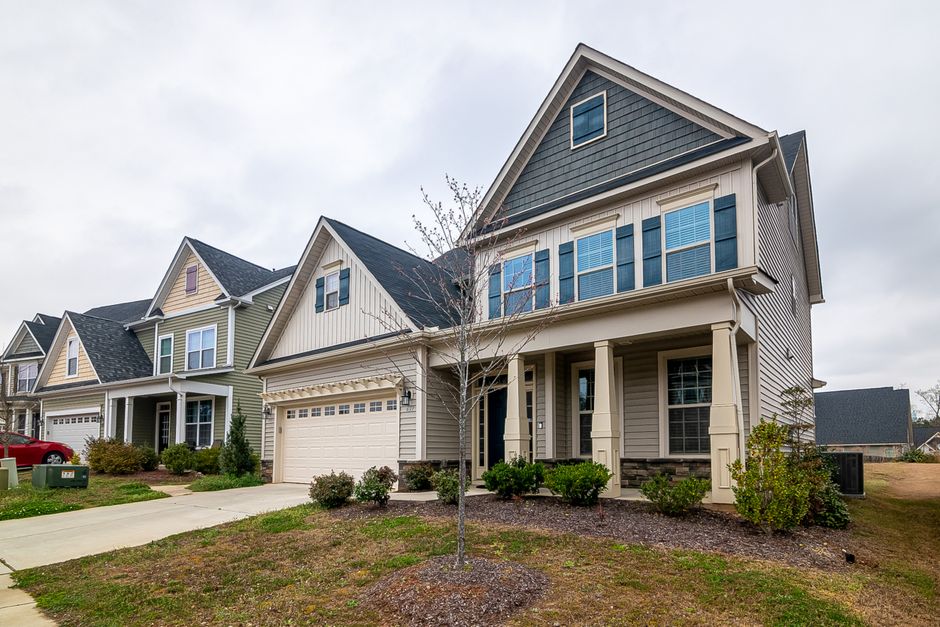
Maryhill North, long overshadowed by neighbouring residential hotspots like Partick and Kelvindale, is set to undergo significant transformation as Glasgow City Council advances plans for a major rezoning of the area. Local property watchers are now scrambling to assess the suburb’s investment potential before changes send prices soaring.
Rezoning tends to redraw the map for property developers and homeowners alike. With surrounding districts benefitting from recent waves of investment, city authorities are keen to encourage new housing, commercial space, and improved transport links in overlooked areas. The timing is critical: with Glasgow’s housing shortage acute—Council estimates put shortfall at 7,500 units annually—any policy update can trigger a domino effect on land values and demand.
Bounded by Bilsland Drive and Queen Margaret Drive, and stitched along the Forth & Clyde Canal, Maryhill North has rarely figured in estate agent pitch decks. Historically associated with post-war estates rather than artisan coffee shops or boutique flats, the area has nonetheless begun attracting first-time buyers priced out of neighbouring Hyndland and Botanic Gardens. The potential is obvious to keen-eyed developers: the gap between Maryhill North’s current average property price—£144,600 as reported by Savills Scotland in June 2026—and the £287,000 median seen just a mile south in Hillhead is now too wide to ignore.
Local organisations sense the change. Queens Cross Housing Association, with headquarters on Firhill Road, recently acquired three vacant council blocks earmarked for refurbishment, while nearby Tesco Extra on Maryhill Road has extended its footprint to accommodate rising footfall. Developers are watching the progress of the Kelvin Walkway upgrade, a project led by Glasgow Life, which when complete will link the suburb to Kelvingrove Park in under 15 minutes on foot.
The driver of renewed interest is expected to be the Council’s Local Development Plan Amendment No. 5, due for committee review on July 24. Planning officials have proposed shifting Maryhill North from a predominantly residential zone to a mixed-use category, enabling a blend of mid-rise flats, light commercial premises, and expanded green space. Council insiders estimate this could allow for an additional 900 new homes by 2029. Savills analysts see rezoned land values potentially jumping by 30% within two years of approval, based on similar changes near Govan Rail in 2024. Local letting agents already report a 17% annual rise in rental demand across postcodes G20 7** and G20 9**.
But risk lingers. Some area schools—including Maryhill Primary—are near capacity, raising questions about community infrastructure keeping pace. Meanwhile, long-time residents are wary of large-scale changes pricing out families and social housing tenants who have anchored the area for decades.
For those considering entering the market, speed is essential. Experts at Rettie & Co. advise seeking properties with potential for subdivision or refurbishment on streets like Ruchill Street and Shiskine Drive, where average terraced homes still sell for under £160,000. As the rezoning process moves from public consultation to council vote, both private buyers and developers have a short window to move before prices start reflecting Maryhill North’s new reality. The coming months may mark the last time the suburb is seen as off the radar.
Property
Property

Property
Property
About this article
Published by The Daily Glasgow
Spread the word
Daily brief
Free, in your inbox before 7am. Weekdays.
The Daily Network — local news across Australia