Property
From Bearsden to the West End: Where Downsizers Are Moving in Glasgow and Why
With rising energy costs and the lure of walkable neighbourhoods, a wave of Glasgow downsizers is shifting the city's investment map.
3 min read
Property
With rising energy costs and the lure of walkable neighbourhoods, a wave of Glasgow downsizers is shifting the city's investment map.
3 min read
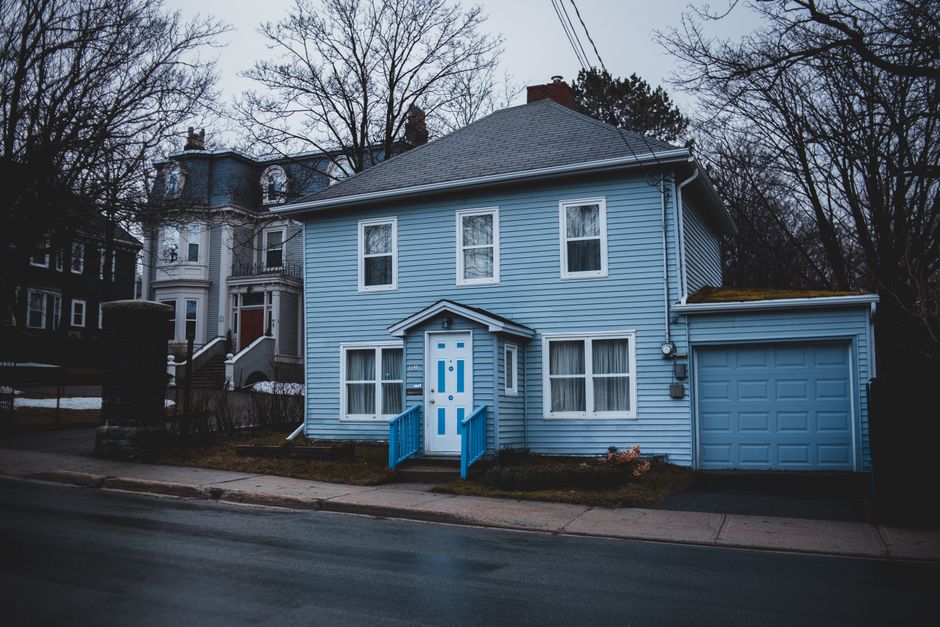
Downsizers in Glasgow are on the move, with the city’s leafy western suburbs and vibrant West End seeing a marked uptick in demand from older homeowners trading large family properties for more compact, low-maintenance living.
It’s a trend gathering pace in 2026, as energy bills soar, family sizes shrink and local amenities become a crucial part of retirement planning. Glasgow’s maturing population—19% of residents are now aged 60 or over, according to the Scottish Government’s 2025 mid-year estimate—is driving a quiet but significant transformation in the city's property market.
Two Glasgow pockets have become magnets for downsizers this summer: Bearsden, especially around Roman Road and Drymen Road, and the Kelvinbridge quadrant in the West End. Both offer easy rail connections and level walks to independent shops and cultural venues. Bearsden Library’s events calendar is full again, and the newer Queen’s Cross retail parade has seen an influx of cafes targeting older clientele.
In Kelvinbridge, smaller tenement flats and new-build blocks on Fergus Drive and Wilton Street are seeing brisk turnover. Local agents like Corum West End and Rettie & Co. confirmed to The Daily Glasgow that two-bed flats now routinely attract over-ten offers, often from buyers aged 55-plus looking to shed the burden of five-bedroom homes in Bishopbriggs or Newton Mearns.
Data from Registers of Scotland shows the average sale price for a two-bedroom flat in Bearsden reaching £267,000 in May 2026—a 12% jump from last summer, while the West End sits close behind at £253,000. New amenities like the Hillhead Library redevelopment and the cycle-friendly Queen Margaret Drive have helped fuel this demand. It’s not just cost and location: energy-efficient EPC-B-rated properties are drawing more downsizers, helped by Glasgow City Council’s Green Living Grants, which offer up to £8,000 per homeowner for retrofit insulation and solar upgrades.
According to Rightmove, properties under £300,000 in these neighbourhoods spend just 16 days on the market, half the citywide average. The council’s own 2026 Housing Needs Survey highlights downsizing as a primary motivation for 38% of over-60s who moved in the past 18 months. With single-level living and futureproofed layouts at a premium, developers eyeing Mosshead and Hyndland are already seeking planning approvals for more accessible apartments—both new-build and conversions.
Local solicitors urge buyers to get mortgage agreements and Home Report reviews lined up early, as competition can be fierce and bids well over valuation are now common. Downsizers willing to make the leap can often unlock substantial equity, making relocation not just a lifestyle choice but an investment strategy.
For homeowners considering a move, watching upcoming planning announcements along Balcarres Avenue or Kelvindale Road could be key. The next wave of retirement-friendly housing is already in the pipeline—and if current trends continue, the best opportunities may not stay on the market for long.

Property
Property

Property
Property
About this article
Published by The Daily Glasgow
Spread the word
Daily brief
Free, in your inbox before 7am. Weekdays.
The Daily Network — local news across Australia