Property
Suburbs Where Buying is Now Cheaper Than Renting: Glasgow’s New Property Paradox
A wave of mortgage rate stabilisation means home ownership is more affordable than leasing in neighbourhoods like Dennistoun and Knightswood.
3 min read
Property
A wave of mortgage rate stabilisation means home ownership is more affordable than leasing in neighbourhoods like Dennistoun and Knightswood.
3 min read
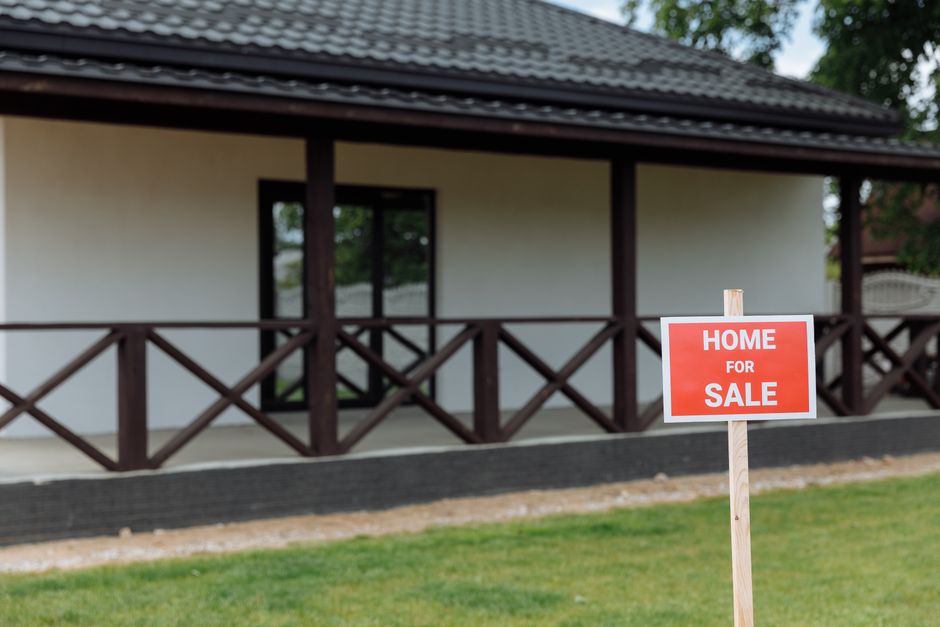
It’s now officially less expensive to buy than to rent a home in several of Glasgow’s most popular suburbs, as the city’s unpredictable property market puts tenants under new financial pressure—even as local house prices hold surprisingly steady.
This shift has taken root in suburbs such as Dennistoun and Knightswood, where average monthly mortgage repayments on two-bedroom flats have slipped below standard rents for similar properties. A two-bed on Armadale Street in Dennistoun is now costing new owners roughly £780 a month in mortgage payments (assuming a 10% deposit and fixed 5.2% rate over 25 years). Compare that to the average local rent, which Lettingweb lists at £930 for the same property type. In Knightswood, first-time buyers are paying around £690 a month for homes on Archerhill Road, while tenants in comparable flats are facing rents up to £850.
The reversal comes at a moment when housing costs have shot to the centre of city politics. Student demand—fuelled by Glasgow Caledonian University and the University of Strathclyde—has kept renting competitive, but many landlords, squeezed by tighter licensing and local council tax hikes announced last winter, raised prices sharply in spring. Glasgow City Council’s licensing overhaul and the introduction of short-let restrictions in areas including Partick have further pinched rental supply.
Figures from Citylets show average Glasgow rents up 7.8% year-on-year to a record £1,085 for a two-bedroom flat as of June 2026. Meanwhile, Zoopla’s mortgage calculator puts the average first-time buyer mortgage payment at just £912, based on Glasgow’s Q2 median flat price of £154,000. The difference is even starker in some satellite towns: buyers in Bishopbriggs and Cambuslang can now pay £120 to £150 less per month compared to tenants in equivalent properties. Even factoring in insurance and maintenance, those taking the leap onto the housing ladder are spending less each month than those locked into rolling tenancies.
One local letting agent, speaking off the record, attributed the squeeze to “an evaporation of decent rental stock just as summer demand peaks.” Flats on Alexandra Parade, for example, are reaching asking prices after just six days on the market.
This has turned the usual affordability equation upside down for many Glaswegians, particularly younger couples and families. According to a June report from the Glasgow Chamber of Commerce, 42% of city renters said they would consider buying within the next 18 months—a sharp jump from last year’s 28%.
So, what next for residents trying to navigate this shifting terrain? For those considering a leap into homeownership, experts from the Home Energy Scotland Advice Centre on Wellington Street point to fixed-rate mortgage deals reappearing from lenders such as Virgin Money and Nationwide. Careful attention to up-front costs—legal fees, stamp duty, surveys—remains crucial. But the gap between buying and renting, especially across Glasgow’s east and north-west, is expected to persist unless a wave of new rental properties hits the market. In the meantime, would-be homeowners in suburbs like Dennistoun and Knightswood might find that, for the first time in years, the numbers finally add up in their favour.
Property
Property

Property
Property
About this article
Published by The Daily Glasgow
Spread the word
Daily brief
Free, in your inbox before 7am. Weekdays.
The Daily Network — local news across Australia