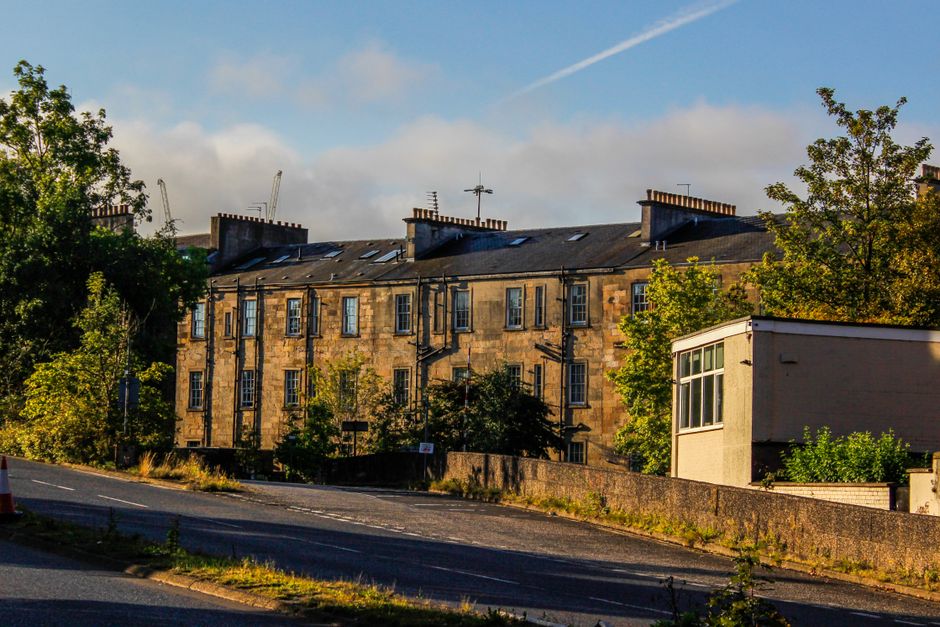
Glasgow first-time buyers who cannot scrape together a full 20 percent deposit are facing a hard choice: wait years longer to save, or pay lenders mortgage insurance and move now. In a city where the average property price hit £198,400 in the first quarter of 2026, according to Registers of Scotland data, waiting often costs more than the insurance premium itself.
LMI — a one-off premium that protects the lender, not the borrower, if repayments default — is still widely misunderstood as dead money. That view deserves scrutiny. With rents across the West End and Southside rising at roughly 9 percent annually over the past two years, the calculation for many buyers is no longer straightforward. Every month spent renting in Partick or Shawlands is a month of equity lost to a landlord rather than accumulated in a first home.
The Glasgow Market Is Not Waiting for Anyone
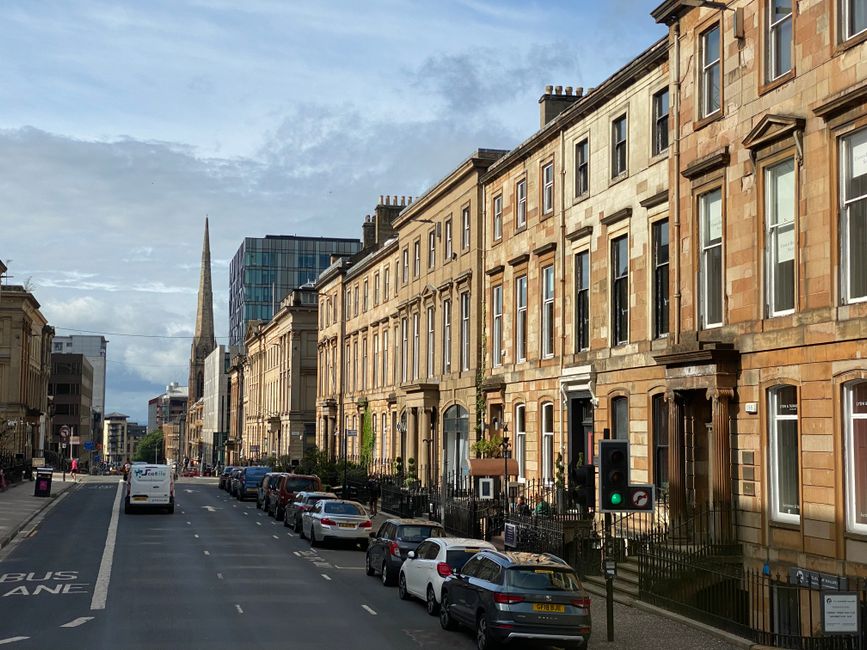
Properties in the G12 postcode — covering Hillhead and Hyndland — spent an average of just 23 days on the market in June 2026, according to figures compiled by Clyde Property. That pace leaves little room for buyers trying to stretch savings from, say, 12 percent of a purchase price to the full 20 percent threshold that eliminates LMI entirely. A flat on Clarence Drive that would have required a £24,000 deposit at the 80 percent loan-to-value mark now demands closer to £39,600 if the buyer insists on avoiding insurance costs. The premium on the lower-deposit option, by contrast, might run to £3,500–£5,000 depending on the lender — a fraction of the gap.
The Scottish Government's First Home Fund, which relaunched under revised terms in April 2025, offers a shared equity contribution of up to £25,000 for eligible buyers purchasing below the regional price cap. Combined with a Help to Buy ISA bonus still being paid out on accounts opened before the 2019 closure deadline, some buyers in areas like Dennistoun or Pollokshields can meaningfully reduce their loan-to-value ratio without waiting years. Strathclyde Credit Union also operates a mortgage-referral partnership with two Glasgow-based independent brokers specifically targeting buyers with deposits between 5 and 15 percent.
When the Premium Makes Financial Sense
The core argument for accepting LMI costs is time-value arithmetic. A buyer purchasing a £185,000 flat in Govanhill with a 10 percent deposit — £18,500 — rather than waiting three more years to accumulate a 20 percent deposit of £37,000 could, at current market appreciation rates of around 4.8 percent per year in that postcode, enter a property worth closer to £213,000 by the time the larger deposit is ready. The equity gained during those three years of ownership would substantially outpace the LMI premium paid at entry.
That arithmetic breaks down if the buyer is stretched dangerously thin on monthly repayments, or if the property is in a location with softer demand. Flats above commercial premises in certain parts of the city centre, for example, routinely face lender restrictions regardless of deposit size, and LMI providers may decline or add loadings. Glasgow's tenement stock in areas like Maryhill and Springburn can also attract additional lender scrutiny depending on the age and condition of the building's common areas.
The practical starting point for any first-time buyer considering LMI is a full affordability assessment with a broker who holds whole-of-market access — not a bank's in-house adviser, whose product range is limited by definition. Organisations including Citizens Advice Glasgow and the charity Shelter Scotland both offer free initial housing finance guidance. The Money and Pensions Service also runs a mortgage clinic at its Glasgow hub on Argyle Street most Thursdays, requiring no appointment for basic enquiries.
The decision to pay LMI is not a concession — it is a strategic tool. For buyers eyeing a Dennistoun tenement or a Finnieston conversion and watching prices inch upward each quarter, paying a few thousand pounds now to buy today rather than tomorrow may well be the most cost-effective move available to them.