Property
How Much Rent Is Too Much? The 30% Rule in Practice
Glasgow renters are routinely handing over half their take-home pay to landlords — and the old financial wisdom that says stop at 30% has never felt more out of reach.
4 min read
Property
Glasgow renters are routinely handing over half their take-home pay to landlords — and the old financial wisdom that says stop at 30% has never felt more out of reach.
4 min read
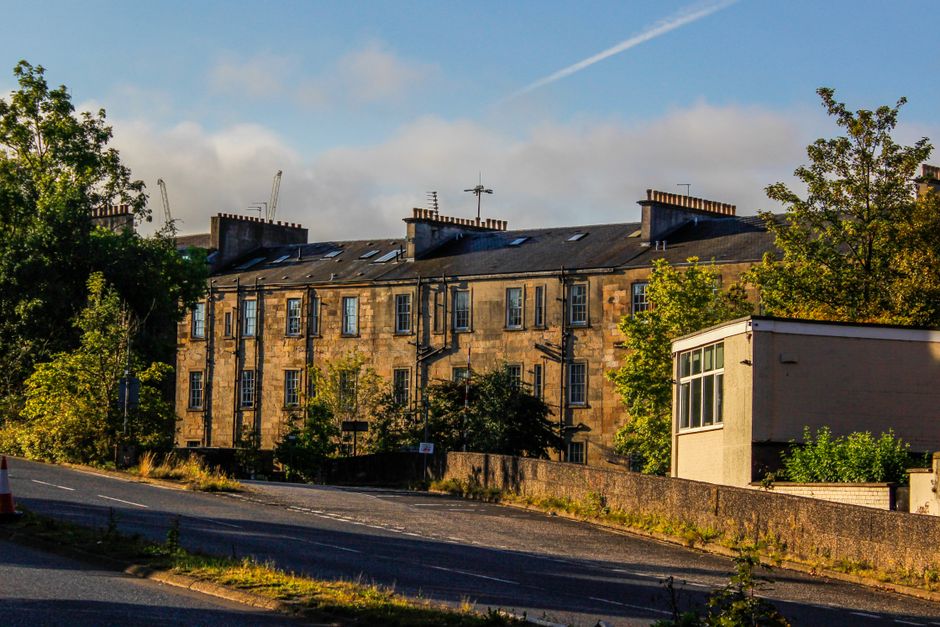
The average two-bedroom flat in the West End of Glasgow now costs £1,450 a month. For a single earner on the Scottish median wage of roughly £2,400 net per month, that is 60 percent of take-home pay gone before the gas bill arrives. The 30 percent rule — the long-standing personal finance benchmark that says housing costs should consume no more than 30 percent of gross income — is not being broken occasionally in this city. It is being shattered, street by street, postcode by postcode.
The timing matters. The Scottish Government's Housing (Scotland) Act 2025, which came into force in January, extended protections for private renters and gave local authorities new powers to designate rent control areas. Glasgow City Council applied for such a designation in March, citing rent increases of up to 14 percent year-on-year in certain neighbourhoods. A decision from Housing Minister Paul McLennan is still pending. In the meantime, tenants keep signing leases they can barely afford because the alternative — buying — remains even further from reach for most.
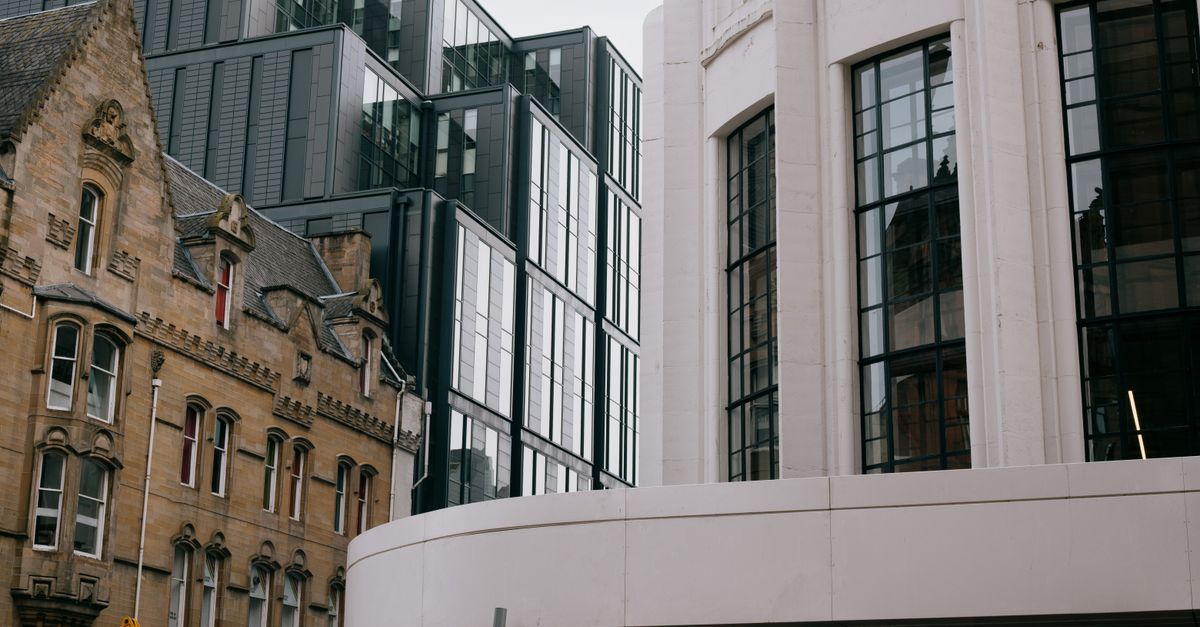
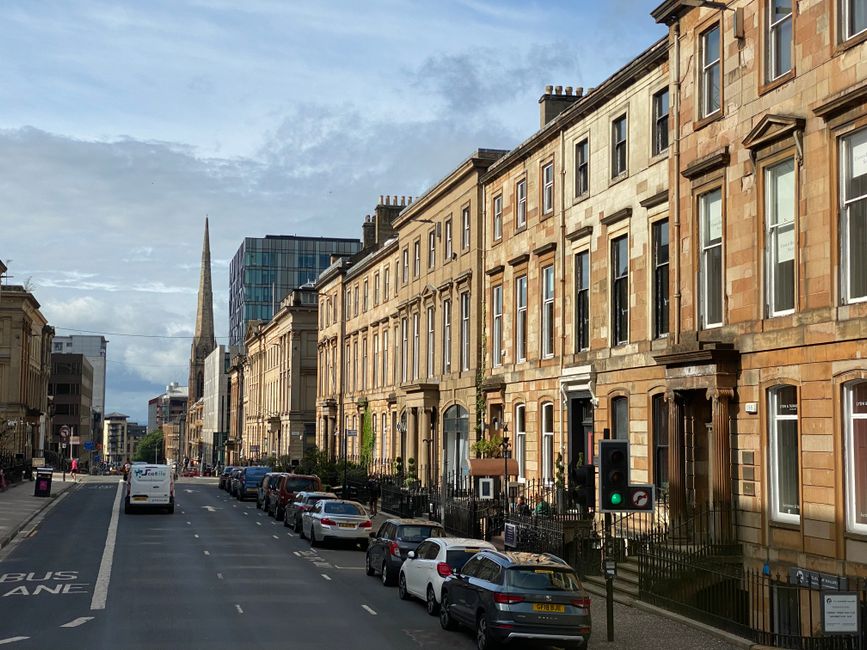
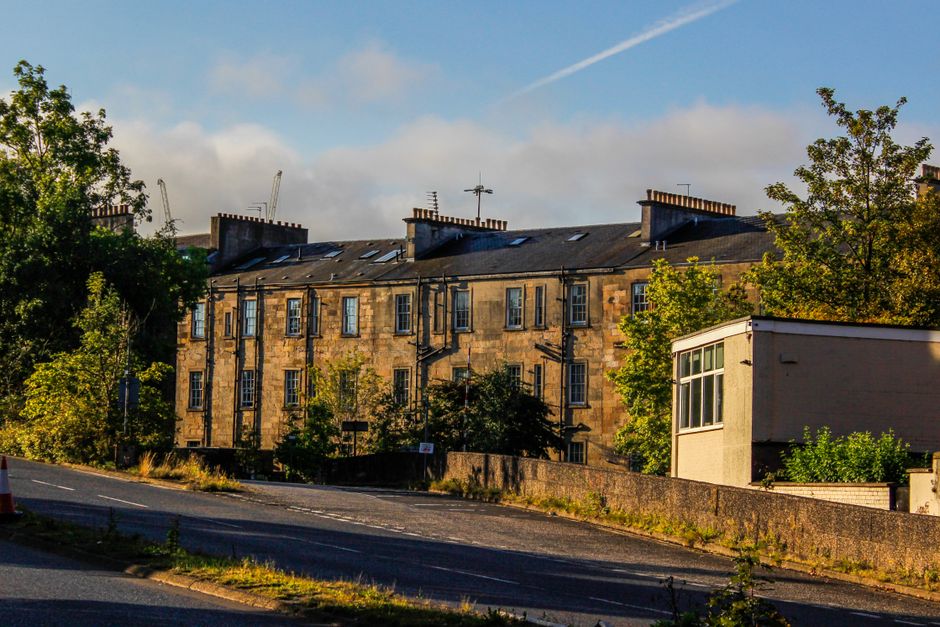
Partick and Dennistoun tell the story most clearly. A one-bedroom flat on Hyndland Road was advertised at £1,150 per month in June 2026. A comparable property on Armadale Street in Dennistoun sits at £975. Apply the 30 percent rule strictly and a renter would need a gross annual salary of around £46,000 to afford the Hyndland Road flat without financial stress. The median full-time salary in Glasgow is closer to £32,500. The gap is not marginal — it is structural.
Shelter Scotland, which runs its housing advice service out of offices on St Vincent Street, says demand for its renter support line has increased by 22 percent since October 2025. The charity points to a combination of dwindling social housing stock and a private rental sector that has shrunk by around 8,000 properties since the 2022 cost-of-living crisis prompted smaller landlords to sell up. Fewer properties chasing more renters pushes rents upward regardless of what any rule of thumb recommends.
The buy-side numbers offer cold comfort. The average house price in Glasgow stood at £197,000 in May 2026, according to Registers of Scotland data. A first-time buyer putting down a 10 percent deposit and taking a 25-year mortgage at current rates of roughly 4.6 percent would pay around £1,050 a month — less than many rents. The catch is the £19,700 deposit, plus solicitor fees, Land and Buildings Transaction Tax, and the small matter of a lender willing to advance the loan. For someone already spending 50 percent of their income on rent, saving that sum takes years.
Financial advisers at the Glasgow-based credit union Scotwest, which has a branch on Renfield Street, say the 30 percent rule remains a useful starting point even if it feels academic. They recommend renters calculate their figure on net rather than gross pay — a distinction that makes the benchmark slightly more achievable but also more honest. Someone netting £2,000 a month should aim to keep rent below £600. In Glasgow in 2026, that rules out most of the city centre and the West End entirely, and leaves pockets of Shettleston, Pollok, and parts of the Southside as the realistic search zone.
The council's pending rent control application could change the calculus if approved. Under the 2025 Act, a designated rent control area would cap in-tenancy increases at the Consumer Price Index plus one percentage point — currently around 3.8 percent. Landlord lobby groups including Scottish Land and Estates have argued the cap would drive further supply out of the market. Renters in a two-bedroom flat on Dumbarton Road are unlikely to be moved by that argument while they work out how to cover July's rent.
For anyone currently looking, Shelter Scotland's advisers say the single most protective step is asking a prospective landlord for a full breakdown of service charges before signing — charges that can add £100 to £200 a month on top of headline rent figures and push an apparently manageable deal well past the 30 percent threshold before a tenant has even moved in.
About this article
Published by The Daily Glasgow
Spread the word
Daily brief
Free, in your inbox before 7am. Weekdays.
The Daily Network — local news across Australia