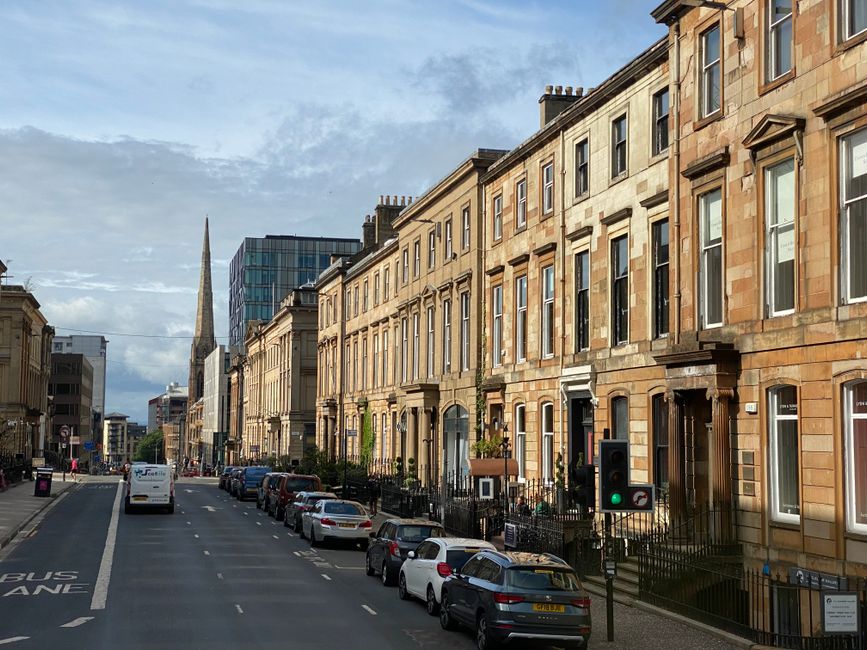
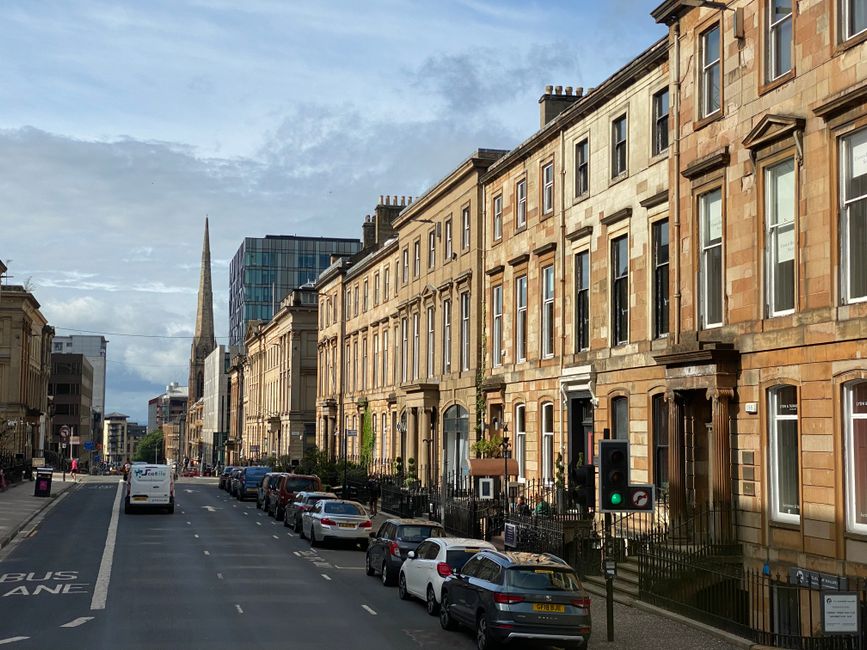
For the first time in over a decade, average monthly rents in Glasgow have overtaken those in East Dunbartonshire and North Lanarkshire, raising urgent questions for tenants already grappling with the city’s rapid cost-of-living climb.
The shift hits as the rental market enters its busiest summer turnover—the prime season for students, young professionals, and corporate relocations. It comes just as regional neighbours, once dismissed as suburban outposts, now offer a more attainable path to homeownership or cheaper leases. For those balancing where to live, the old wisdom of staying city-central for value no longer applies, say local housing analysts.
From Shawlands to Govan: Where Tenants Feel the Pinch
Data from letting agents including Glasgow Property Lettings and Citylets shows that an average two-bedroom flat in Finnieston now fetches £1,280 per month, up 11% year-on-year. Rents in ever-popular Shawlands are close behind, averaging £1,190. In contrast, tenants in Paisley—just a 16-minute hop on the ScotRail from Glasgow Central—are still paying under £900 for similar properties on Moss Street or around Gilmour Street. The gulf is even more pronounced in Hamilton and Cumbernauld, where tenants can secure two-bedroom homes for £750-£800 a month.
Many of those facing lease renewals in the city core blame a post-Covid surge of inward migration, a tight jobs market, and wavering landlord confidence amid new short-let licensing rules. “Last year, you could still get a bargain on the South Side. Now, you struggle to find anything decent for under a grand unless you’re house sharing,” said a desk officer at the Govan Housing Association, speaking on background due to the sensitivity of client relations. Barras Market, popular with young renters, has seen listings snapped up within days, and agents in Dennistoun report queues lining up outside weekend viewings.
Data Highlights: Ownership Still Out of Reach—But the Gaps Are Narrowing
According to Registers of Scotland, the average Glasgow purchase price hit £204,500 in June, a five-year high, compared to £178,200 in Renfrewshire and just under £170,000 in North Lanarkshire. With Halifax reporting a 5.2% year-on-year increase in city house prices, the deposit required for even modest city flats is putting homeownership further out of reach for first-timers. While monthly repayments for a 25-year mortgage at current rates (averaging 5.7% APR for first-time buyers) work out to £1,070 for a £200,000 loan, buyers still face the daunting hurdle of raising at least £20,000 upfront—with local mortgage brokers like First Mortgage in Bothwell Street noting a 28% drop in approval rates for low-deposit applicants since March.
The tradeoff is even sharper when factoring in travel and council tax. A commuter from Bishopbriggs, renting for £880 a month and with cheaper Band B council tax, can still save more than £3,000 a year versus a similar city rental. Meanwhile, the Scottish Government’s Help to Buy schemes, which once bridged the gap, have seen uptake fall by half since 2022.
Next Steps: Experts Advise Due Diligence—And a Hard Look at Regional Options
With the gap between renting and buying tightening, local estate agents suggest tenants run the numbers before committing to long leases—or braving the city’s overheated purchase market. Claire Peebles, research coordinator at the Glasgow Housing Partnership, points to hotspots in Govan, Maryhill and Dennistoun where council-supported affordable schemes are still available, but supply can’t keep pace with demand. "Compare not just rents, but onward transport costs, taxes, and long-term prospects," she advises current renters.
Mortgage adviser websites such as Which? and local non-profits like Money Advice Scotland offer free calculators factoring in upfront expenses, rates, and maintenance costs. For those undeterred by the city competition, the next round of Glasgow City Council’s Low Cost Initiative for First Time Buyers (offering 15 new build flats at £160,000 in Toryglen, launching this September) could prove a litmus test for just how much appetite remains for true city-centre living as regional markets gain appeal.