wellness
Neuroscientists reveal five proven techniques Glasgow residents use to slash stress
As Glaswegians navigate rising living costs and longer working hours, researchers say these five proven methods can meaningfully lower cortisol levels and protect long-term mental health.
How we reported this
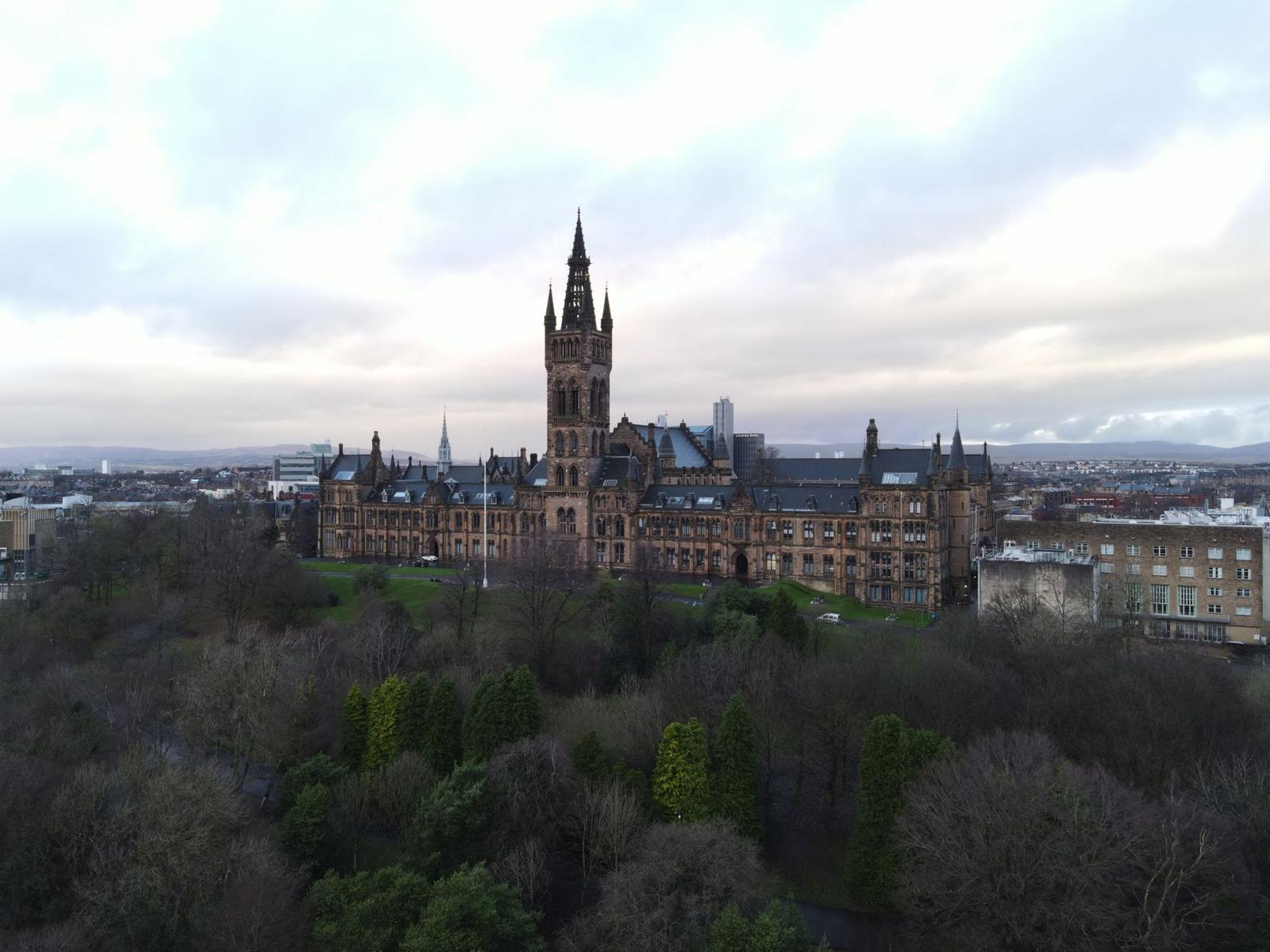
Scotland's mental health crisis has a postcode. One in three adults in Glasgow reported experiencing significant stress or anxiety in the past year, according to the 2025 Scottish Health Survey published last autumn, a figure that sits above both the national average and Edinburgh's equivalent measure. Clinicians at NHS Greater Glasgow and Clyde say demand for talking therapies hit a five-year high in the first quarter of 2026, with average waiting times stretching to 22 weeks for non-urgent referrals.
The numbers land at a particular moment. Household budgets are still absorbing the tail-end of years of elevated inflation. Many workers in the city's growing financial and tech sectors report that hybrid schedules have blurred the line between office and home in ways that feel relentless rather than flexible. Public health researchers at the University of Glasgow's Institute of Health and Wellbeing argue that daily stress management, not crisis intervention, is where the biggest gains are now to be made. The five techniques below each have a body of peer-reviewed evidence behind them, and all are practically accessible in Glasgow right now.
What the science actually supports
1. Structured breathing. A 2023 study published in Cell Reports Medicine found that five minutes of cyclic sighing, a double inhale through the nose followed by a long exhale through the mouth, reduced self-reported anxiety more effectively than mindfulness meditation over a 28-day trial. No equipment needed. No membership fee.
2. Cold-water immersion. The Govanhill Baths on Calder Street, which reopened its community pool facilities in 2022 after a two-decade campaign by local residents, now runs a weekly cold-water acclimatisation session on Saturday mornings for £4 per session. Research from the University of Portsmouth published in 2024 showed that regular cold-water swimming lowered perceived stress scores by 40 percent in habitual swimmers compared to controls over 12 weeks. The River Kelvin at Kelvingrove Park also draws a small but dedicated year-round wild swimming community, though participants are advised to check water-quality readings before entering.
3. Green-space walking, timed deliberately. Generic advice to "go outside" misses the specificity that the research demands. A 2019 study in Frontiers in Psychology found that 20-minute walks in natural environments three times a week produced measurable drops in cortisol. Glasgow's West End is unusually well-placed here: the 85-hectare Pollok Country Park in the south and the Botanic Gardens on Great Western Road both offer traffic-buffered routes long enough to hit the threshold. The key variable is intention, walking without a phone in hand produced significantly better outcomes than walking while scrolling.
4. Social prescribing. Glasgow City Health and Social Care Partnership has funded a network of 14 community link workers across the city since 2021, embedded in GP surgeries from Drumchapel to Shawlands. Their job is to connect patients to non-clinical activities, choir groups, allotment schemes, craft clubs, that address loneliness and low-level chronic stress before they escalate. Referral is through your GP, and the service is free at the point of access.
5. Sleep-window restriction. Counter-intuitive but robustly evidenced: cognitive behavioural therapy for insomnia, which includes deliberately shortening time in bed to consolidate sleep, outperforms sleeping medication in long-term trials. The Glasgow Sleep Centre, based on Sauchiehall Street, offers a six-session CBTi programme at £60 per session privately, though NHS referrals are available via your GP and carry no direct cost.
Making it stick in practice
The research consensus is clear on one point: stacking techniques compounds the benefit. Someone who walks in Kelvingrove for 20 minutes three times a week, practices five minutes of cyclic sighing each morning, and attends a social prescribing activity once a fortnight is not doing three separate things, they are working the same underlying physiological system from multiple angles simultaneously.
None of this replaces clinical care. Anyone experiencing persistent low mood, panic attacks, or symptoms that interfere with daily functioning should contact their GP or call the NHS 24 helpline on 111 as a first step. For everyone else, the quietly exhausted majority, the evidence says small, consistent, deliberate actions move the needle. Glasgow has the infrastructure to support all five. The harder part is treating stress reduction as a scheduled commitment rather than an afterthought.