Seven seconds in, hold for four, out for eight. It sounds almost embarrassingly simple, but the science behind controlled breathing as a stress-management tool is now substantial enough that NHS Greater Glasgow and Clyde has incorporated breathwork modules into several of its community mental health programmes. The evidence, and Glasgow's own active wellness scene, are pointing in the same direction: the breath is the fastest lever most of us never bother to pull.
Mental health pressures have barely eased since the post-pandemic spike. The Scottish Government's 2025 wellbeing survey found that 34 percent of adults in Scotland reported feeling overwhelmed at work at least once a week — a figure that held stubbornly flat from the previous year. Against that backdrop, interest in low-cost, immediately accessible techniques has surged. Breathwork sits at the intersection of ancient practice and modern neuroscience, and instructors across the city say demand for sessions has doubled in the past 18 months.
Glasgow's breathwork scene: where to start
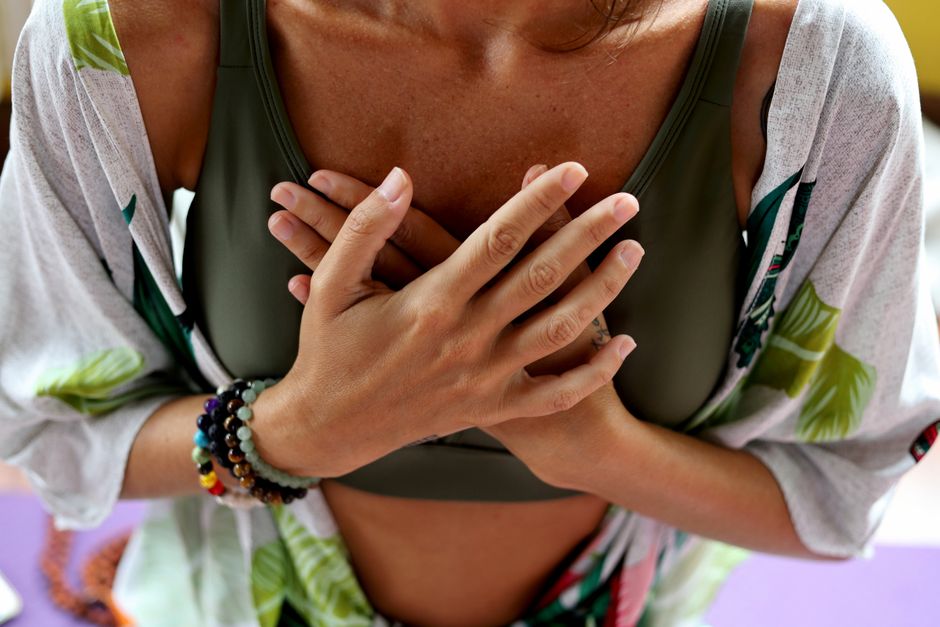
The Yoga and Meditation Centre on Great Western Road in the West End runs a dedicated pranayama class every Tuesday evening at 7pm, priced at £12 a drop-in session. The class covers three core techniques — diaphragmatic breathing, box breathing, and the extended exhale method — in roughly 45 minutes. Beginners are explicitly welcomed. Across the river, Southside Wellness Hub on Pollokshaws Road hosts a free monthly breathwork circle on the first Saturday of each month, drawing between 20 and 40 participants depending on the season. Both venues report that the majority of newcomers cite workplace stress as their primary reason for showing up.
For those who prefer not to leave their desk, the technique most consistently backed by peer-reviewed research requires nothing but a chair. Physiological sighing — a double inhale through the nose followed by a long, slow exhale through the mouth — was the subject of a Stanford University study published in January 2023 in the journal Cell Reports Medicine. Researchers found it reduced self-reported anxiety more rapidly than mindfulness meditation or box breathing over a five-minute period. The mechanism is straightforward: the extended exhale activates the parasympathetic nervous system, slowing the heart rate within seconds.
Box breathing, favoured by the US Navy SEALs and now taught in corporate resilience programmes including those run by Glasgow-based consultancy Thrive@Work on Bothwell Street, works on a four-count cycle: inhale for four, hold for four, exhale for four, hold for four. Practitioners are advised to repeat the cycle four to six times. The hold phases are the key variable — they extend carbon dioxide tolerance and interrupt the shallow, rapid breathing pattern that accompanies acute stress.
Making it stick in a busy day
The practical challenge is not learning the techniques; it is remembering to use them before stress becomes overwhelming. Breathwork coaches working with Glasgow City Council's staff wellbeing programme — introduced as a pilot across three departments in March 2026 — suggest attaching a two-minute breathing exercise to an existing daily habit. Before opening email in the morning, before a meeting, or at the moment of sitting down with lunch. Habit-stacking, as behavioural psychologists call it, has a better completion rate than scheduling breathing sessions as standalone diary entries.
Apps such as Othership and Breathwrk offer guided sessions from three minutes upward, and both are available free at the basic tier. Neither replaces a structured class, but they serve as adequate reminders during a commute on the Subway or a break in Kelvingrove Park.
The broader point, wellness practitioners in the city are keen to stress, is that breathwork is not a cure-all. Anyone dealing with persistent anxiety, panic disorder, or stress-related physical symptoms should speak to their GP or contact NHS 24 on 111. But for the ordinary friction of a difficult Thursday — the overloaded inbox, the difficult conversation, the commute home on the M8 — three minutes of deliberate breathing is a tool most people already carry and rarely use. The breath, as instructors on Great Western Road will tell anyone who walks through the door, has been there all along.