Wellness
Mindfulness in schools: what local programs are available
From Govan to the East End, Glasgow classrooms are quietly making space for meditation — here's what's on offer and whether it works.
4 min read
Wellness
From Govan to the East End, Glasgow classrooms are quietly making space for meditation — here's what's on offer and whether it works.
4 min read
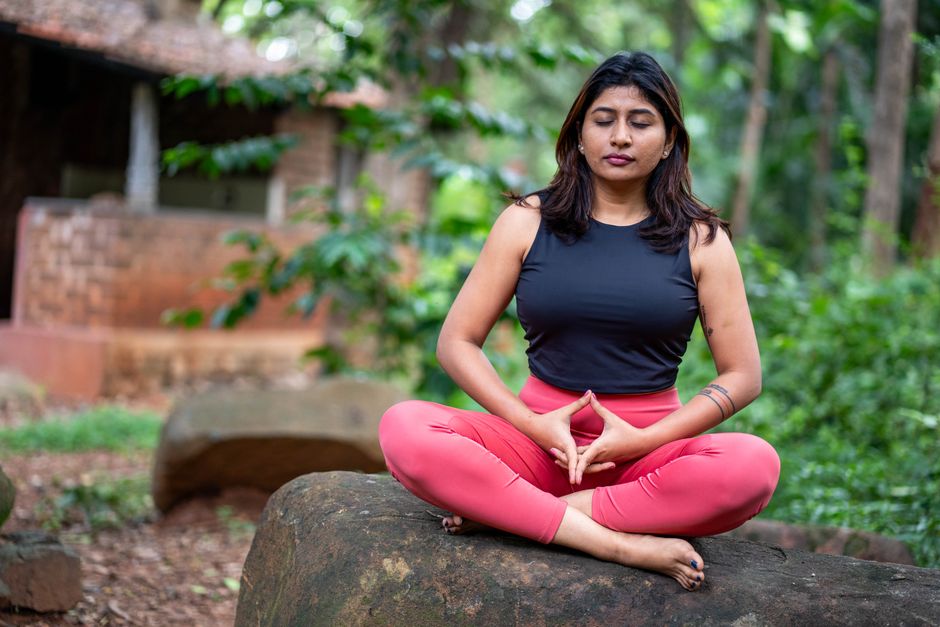
More than 40 Glasgow state primary and secondary schools are now running some form of structured mindfulness program, according to figures compiled by Glasgow City Council's education directorate for the 2025–26 academic year. That number has roughly doubled since 2022, a shift driven partly by post-pandemic anxiety rates among young people and partly by a sharper policy focus on school wellbeing under the Scottish Government's Children and Young People's Mental Health Action Plan.
The timing matters. NHS Greater Glasgow and Clyde reported last autumn that referrals to Child and Adolescent Mental Health Services — CAMHS — rose 18 percent between 2023 and 2025, with waiting lists in some parts of the city stretching beyond 14 months. Teachers and headteachers have been looking for tools they can deploy inside the school day without waiting for a clinical referral. Mindfulness has become one of the most accessible.
The most established presence belongs to the Mindfulness in Schools Project, the UK-registered charity that trains teachers to deliver its two curricula: .b (pronounced dot-be) for secondary pupils aged 11 and over, and Paws b for primary-age children. Kelvinside Academy in the West End adopted the Paws b framework in 2023, embedding two 40-minute sessions per week into its Primary 5 and 6 timetables. The .b course, which runs over nine weeks and costs schools roughly £300 per trained teacher for the certification weekend, has been taken up by staff at Shawlands Academy in the Southside and at Cleveden Secondary in Kelvindale.
Separately, the charity Action for Children operates a school-based wellbeing service in partnership with Glasgow City Council that includes a mindfulness strand. Workers embedded in schools in Govan, Drumchapel and Parkhead deliver six-week group programmes for pupils identified by guidance staff. The sessions draw on a secular, breathing-and-body-scan model and are offered at no direct cost to the school, funded through the Scottish Government's Whole Family Wellbeing Fund, which allocated £11 million to local authorities across Scotland in 2025–26.
There is also a grassroots layer. The Glasgow Meditation Centre on West Princes Street in Woodlands runs teacher-facing workshops — most recently a Saturday session in May 2026 priced at £45 per place — aimed at classroom practitioners who want personal practice before attempting to lead pupils. Several teachers from the cluster of primaries around Sighthill and Springburn attended the spring cohort.
The research base is more qualified than some advocates suggest. A 2022 University of Oxford study — one of the largest of its kind, tracking 8,376 pupils across England — found that mindfulness training did not significantly improve mental health outcomes compared with the regular school timetable when measured at one year. However, the same study noted benefits for pupils who were already showing elevated stress symptoms at baseline, a subgroup that teachers on the ground say describes a meaningful proportion of their current cohort.
Closer to home, the Scottish Government commissioned a smaller evaluation of mindfulness delivery across 12 Clyde Valley schools between 2021 and 2023, which found that 67 percent of participating teachers reported improved classroom attention in the weeks following a mindfulness block, though self-reported pupil wellbeing scores were mixed. Critics point out that teacher observation is a weak measure; supporters argue it is precisely the outcome schools care about most.
The price of entry varies considerably. The Mindfulness in Schools Project teacher training weekend runs to around £650 when accommodation is included. Schools without discretionary wellbeing budgets — and many in the north and east of the city fall into that category — are largely reliant on local authority or third-sector funding to access any program at all.
For parents wanting to find out what their child's school currently offers, the first step is the guidance or pastoral care team, who hold the clearest picture of what is running in any given term. Glasgow City Council's education team also publishes a wellbeing resources directory updated each August, and the Mindfulness in Schools Project maintains a searchable map of trained teachers by postcode on its website. Any child showing significant distress should still be referred through the school's pastoral system to CAMHS, regardless of what mindfulness provision is in place.
Wellness

Wellness
Wellness
Wellness
About this article
Published by The Daily Glasgow
Spread the word
Daily brief
Free, in your inbox before 7am. Weekdays.
The Daily Network — local news across Australia