Wellness
Breathwork techniques for instant calm during a stressful day
From the West End to the Merchant City, Glasgow's growing wellness scene is putting ancient breathing practices to work for the city's most frazzled residents.
4 min read
Wellness
From the West End to the Merchant City, Glasgow's growing wellness scene is putting ancient breathing practices to work for the city's most frazzled residents.
4 min read
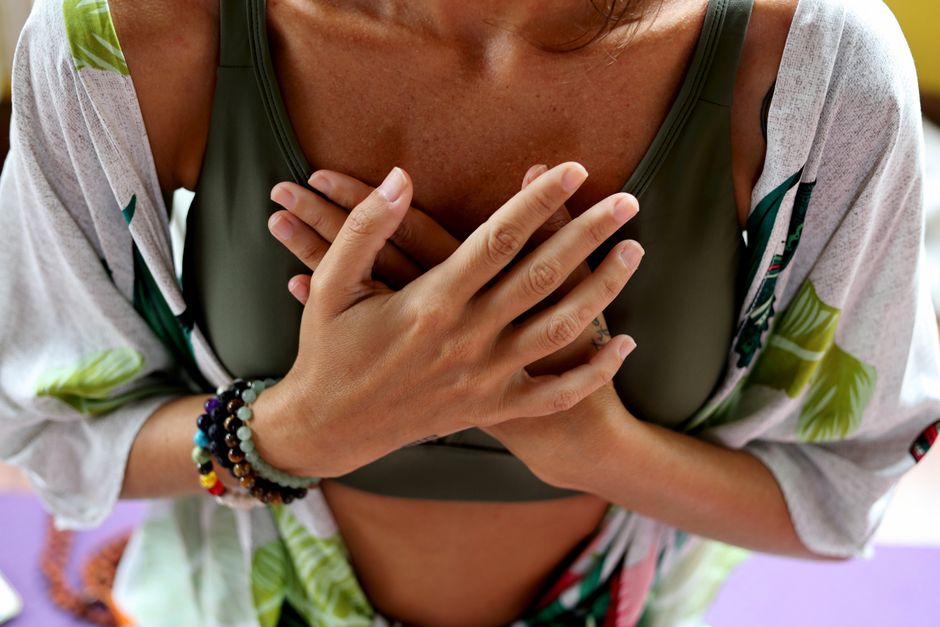
Three breaths. That is, according to practitioners of structured breathwork, the minimum required to shift the nervous system out of a stress response. Glasgow's wellness community has spent years trying to get that message past the city's famously stoic exterior — and, heading into summer 2026, it appears to finally be landing.
Demand for breathwork classes across the city has surged noticeably over the past eighteen months, driven partly by a broader public conversation about hormones, cortisol and the body's stress chemistry. Scotland's mental health crisis has sharpened the appetite: NHS Greater Glasgow and Clyde recorded more than 47,000 referrals to psychological therapies in 2024-25, a figure that has practitioners arguing loudly that self-regulation tools need to sit alongside clinical care rather than behind it. Breathwork costs nothing and can be done on a lunch break. That matters in a city where therapy waiting lists still run to months.
The most accessible method for a working day is box breathing, used by everyone from Royal Marines to emergency room nurses. Inhale for four counts, hold for four, exhale for four, hold again for four. Repeat four times. The whole thing takes under two minutes. Physiologically, the extended exhale activates the vagus nerve, nudging the body from sympathetic to parasympathetic dominance — the difference between fight-or-flight and rest-and-digest.
A step further is the 4-7-8 technique, developed from pranayama traditions and popularised in clinical wellness circles over the past decade. Inhale for four counts, hold for seven, exhale slowly for eight. The long hold slightly elevates carbon dioxide, which counterintuitively slows heart rate. Do it twice at your desk before a difficult meeting and most people report a measurable drop in the physical sensation of anxiety within ninety seconds.
Cyclic sighing, which emerged from Stanford University research published in January 2023, is possibly the fastest acting of all. A double inhale through the nose — short breath followed immediately by a second sharp sniff to fully inflate the lungs — then one long, slow exhale through the mouth. A single cycle works. Five in a row works considerably better. The Stanford study found it outperformed mindfulness meditation for reducing daily negative affect when practised for just five minutes.
The Merchant City's Dwell Yoga on Wilson Street runs a dedicated breathwork fundamentals session every Tuesday evening at 7pm, priced at £14 per drop-in. It draws a crowd that skews notably younger than traditional meditation classes — many attendees cite work pressure rather than spiritual curiosity as their entry point.
Over in the West End, Saramati Yoga and Wellbeing on Hyndland Road incorporates pranayama into its general classes and offers periodic breathwork-only workshops. The studio partnered with Glasgow Mindfulness Centre on a six-week stress reduction programme earlier this year, the kind of structured course that research consistently shows produces more durable results than one-off sessions.
For those who want something free and low-commitment, Breathing Space Scotland — the national mental health phone service — has expanded its online resource library in 2026 to include guided audio breathwork tracks, specifically designed for use during short workplace breaks. The tracks run between three and eight minutes.
The practical advice from practitioners is consistent: technique matters less than regularity. Picking one method and using it at the same point every working day — before opening email at 9am, or during a ten-minute walk at Kelvingrove Park — builds a habit that activates more reliably when genuine stress hits. The mistake most people make is waiting until they are already overwhelmed, then trying to remember what to do with their lungs.
Start today. Three breaths. Count them.
If you are experiencing significant anxiety or mental health difficulties, speak with your GP or contact Breathing Space Scotland on 0800 83 85 87. General wellness content only — this article does not constitute medical advice.
Wellness

Wellness

Wellness
Wellness
About this article
Published by The Daily Glasgow
Spread the word
Daily brief
Free, in your inbox before 7am. Weekdays.
The Daily Network — local news across Australia