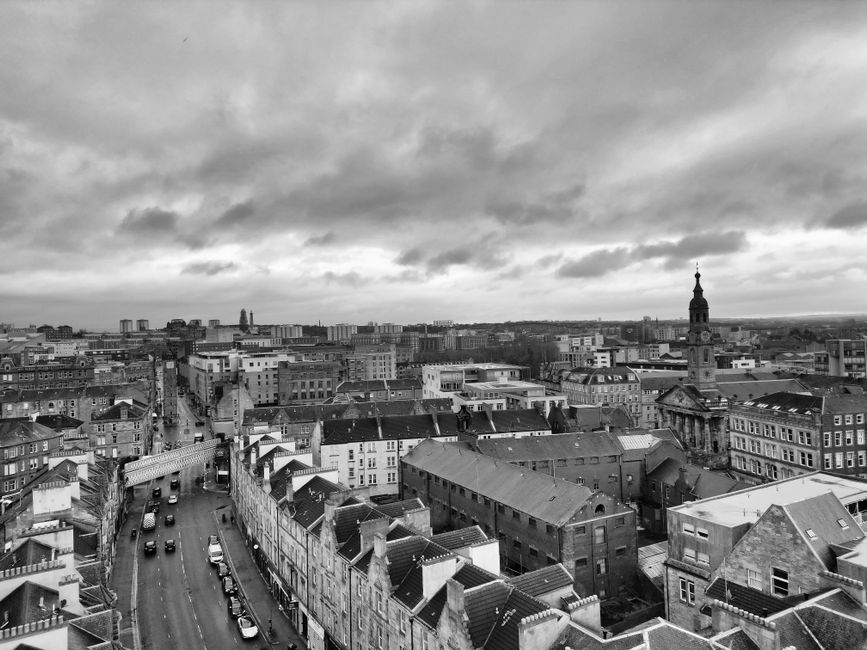
Glasgow City Council has announced plans to replace duplicate images across the city's digital platforms, affecting over 10,000 images currently in use.
This move matters now because it comes at a time when the city is investing heavily in its digital infrastructure, with the Glasgow City Region Deal allocating £1 billion for digital projects over the next 10 years. The replacement of duplicate images is seen as a crucial step in streamlining the city's online presence and improving user experience. The city's digital transformation is being led by the Glasgow City Council's Digital Team, in partnership with organisations such as the University of Glasgow and the Glasgow Chamber of Commerce.
In terms of local detail, the image replacement project will have a significant impact on iconic Glasgow landmarks such as the Kelvingrove Art Gallery and Museum, the Riverside Museum, and the Glasgow Cathedral. The project will also affect local businesses and organisations, such as the Glasgow School of Art, the Citizens Theatre, and the Barrowland Ballroom. For example, the Glasgow School of Art's website currently features over 500 images of the city's architecture and landmarks, many of which will need to be replaced as part of the project. The school's digital team is working closely with the council to ensure a smooth transition.
According to data from the Glasgow City Council, the current cost of maintaining the duplicate images is estimated to be around £250,000 per year. By replacing these images, the council hopes to save around £150,000 per year, which can be reinvested in other digital projects. The project is expected to be completed by the end of 2027, with a total budget of £500,000. The council has also announced plans to make the new images available for public use, under a Creative Commons license, to encourage community engagement and creativity.
Key Decisions Ahead
As the project moves forward, key decisions will need to be made about the type of images to be used, the licensing agreements, and the accessibility of the new images. The council will need to work closely with local stakeholders, including businesses, organisations, and community groups, to ensure that the new images accurately reflect the city's identity and values. For example, the council will need to decide whether to use images of the city's historic landmarks, such as the Glasgow Cathedral, or to focus on more modern landmarks, such as the Riverside Museum. The council will also need to consider the potential impact on local businesses, such as the Glasgow School of Art, which may need to update their marketing materials to reflect the new images.
In practical terms, residents and businesses can expect to see a phased rollout of the new images over the next 12 months. The council will provide regular updates and guidance on the project's progress, and will work with local organisations to ensure a smooth transition. In the meantime, residents and businesses can get involved by providing feedback on the new images and suggesting ideas for how they can be used to promote the city's digital identity. The council has set up a dedicated website for the project, which includes a feedback form and a timeline of key milestones. By getting involved and providing feedback, residents and businesses can help shape the future of Glasgow's digital image and ensure that it accurately reflects the city's unique character and identity.