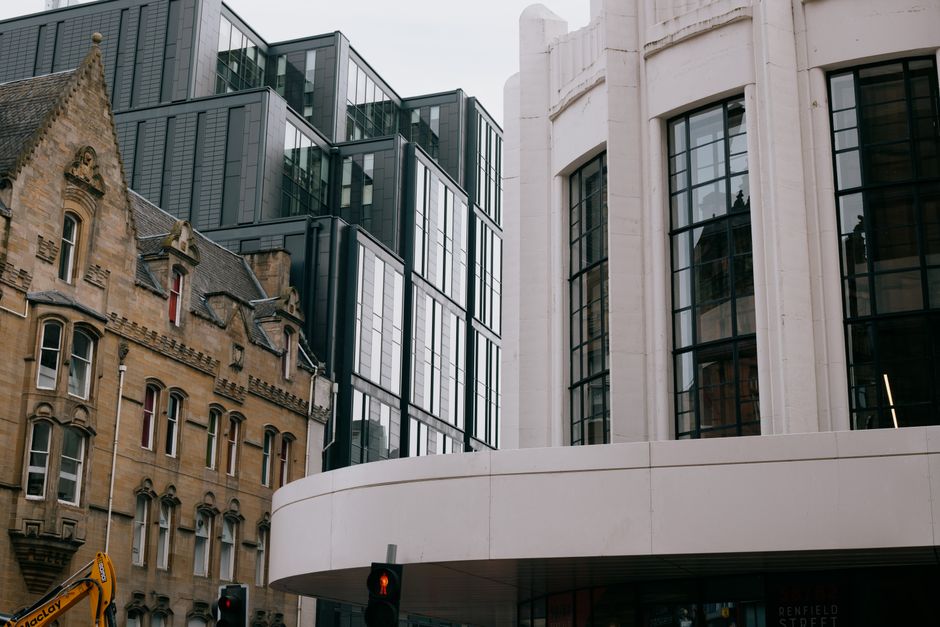
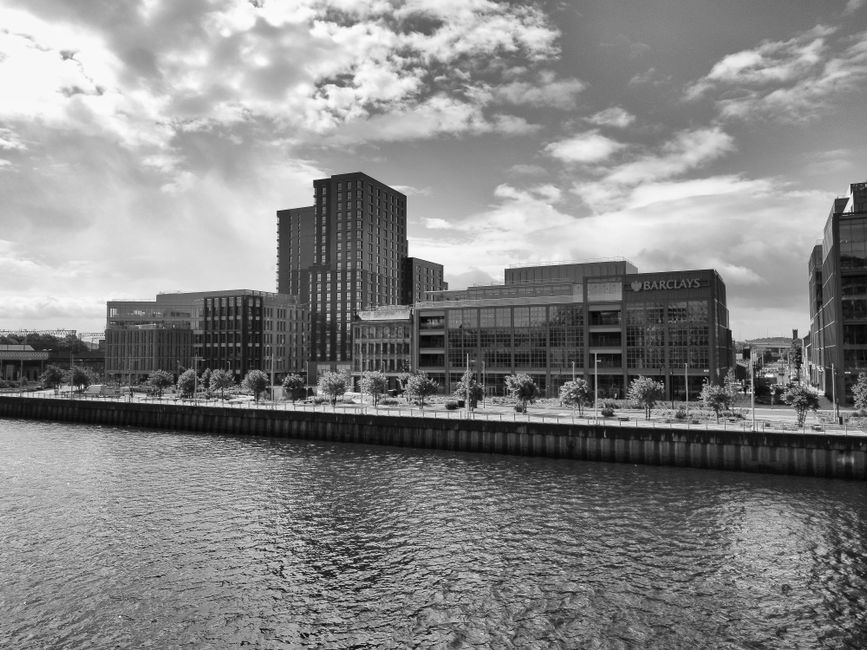
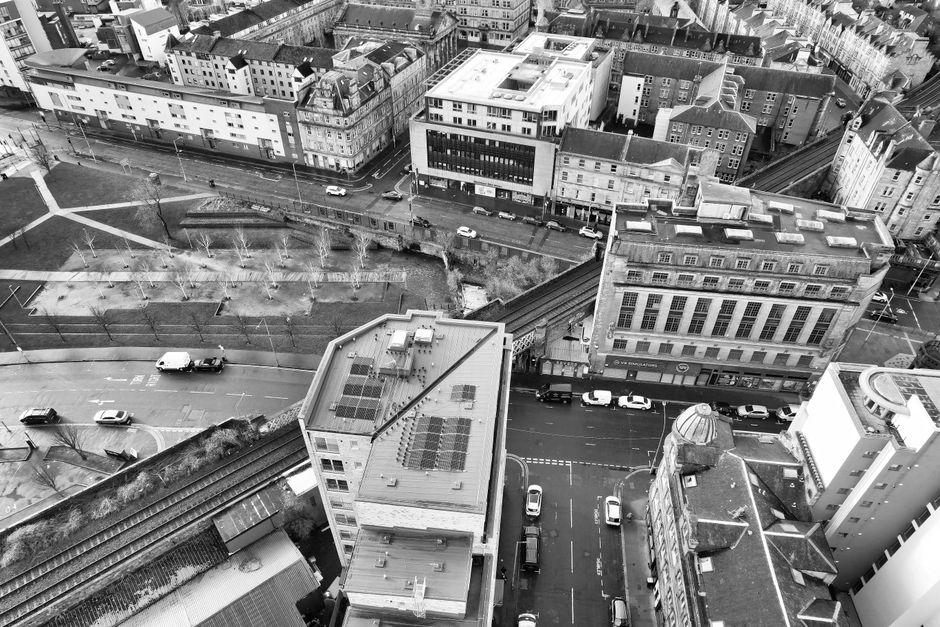
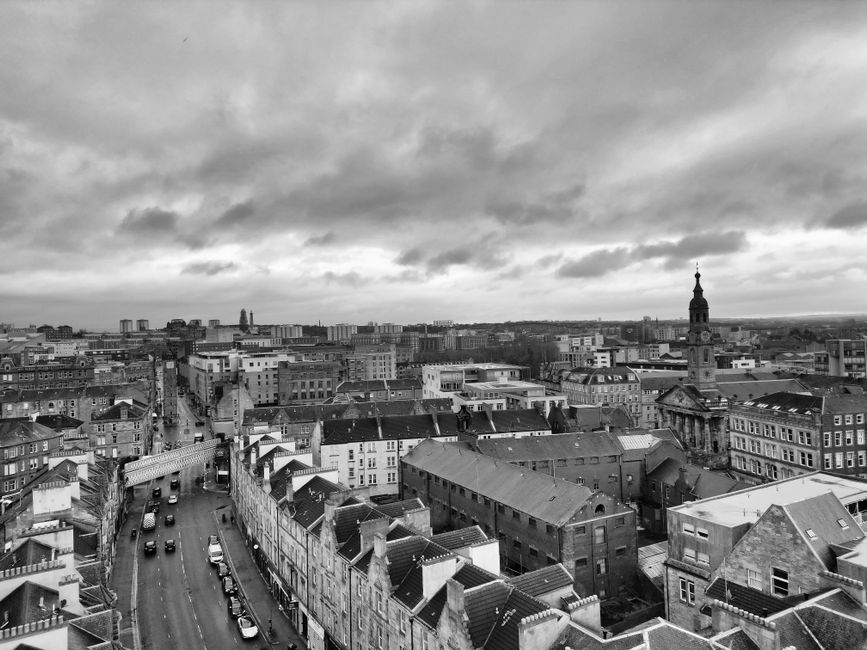
Glasgow City Council's planning directorate is facing mounting pressure to overhaul the photographic and digital records used in development applications, after built-environment specialists identified widespread duplication, degradation and mislabelling of site imagery across the city's planning portal. The problem, professionals working in the sector say, is not trivial: incorrect or copied images attached to planning submissions have led to assessments being made on the basis of buildings that no longer exist, or streetscapes that have materially changed.
The issue has sharpened this summer partly because of a push by the Scottish Government's Historic Environment Scotland to digitise and cross-reference records ahead of a 2027 deadline tied to the National Planning Framework 4, which came into force in February 2023. That framework placed new obligations on local authorities to maintain accurate, current site evidence as part of any application for major development or listed building consent. Glasgow, which holds more category B and C listed buildings than any other Scottish local authority outside Edinburgh, has a particular stake in getting it right.
What the Experts Are Saying
Planners and conservation architects working on projects across the city have pointed to specific areas where the problem is most acute. In Govan, where Govan Cross and the surrounding tenement blocks form part of an active regeneration corridor under the Govan-Partick Bridge project, professionals involved in pre-application consultations have noted instances where imagery on submitted documents depicted facades that had already been demolished or significantly altered. In the Merchant City, where Glasgow City Heritage Trust administers a shopfront improvement grant scheme, applicants have submitted duplicate photographs, the same image used to represent different elevations of the same building, in multiple applications going back several years.
Architecture Scotland, the membership body that includes many of the firms active in Glasgow's city centre, has flagged the broader problem in its 2025 annual survey of planning system performance. That survey, published in November 2025, found that image-related errors featured in a significant share of applications returned for revision by Scottish planning authorities. Glasgow was identified as one of four councils where the rate of returned applications citing documentary deficiencies had risen year-on-year since 2022.
Staff at the Glasgow School of Art's Mackintosh School of Architecture have been vocal in academic circles about what they describe as a systemic failure to enforce basic evidence standards at validation stage. While the school has not issued a formal public statement, presentations at a March 2026 urban regeneration symposium held at the Lighthouse on Mitchell Lane addressed the gap between what planning guidelines require and what councils routinely accept.
Council Response and What Comes Next
Glasgow City Council confirmed in a written response to a Freedom of Information request lodged in April 2026, a response published on the council's disclosure log, that it was reviewing its validation checklist for planning applications. The council indicated it was working with Improvement Service Scotland to pilot an updated digital submission standard, though no implementation date has been set publicly.
The practical stakes are considerable. A single major application in a conservation area can involve dozens of site photographs. Where those images are duplicated or sourced from outdated surveys, decisions about scale, materials and streetscape impact can be built on a false evidential base. In Shawlands, where several Victorian tenement blocks on Pollokshaws Road are subject to ongoing maintenance disputes between private owners and the council, inaccurate site records have already complicated enforcement proceedings, according to details emerging from council committee papers published in June 2026.
For anyone currently navigating the planning system, developers, community groups, or individual homeowners applying for listed building consent, the practical advice from professionals is straightforward: submit dated, geotagged photographs taken no more than three months before the application, label each image with the specific elevation or interior space it depicts, and cross-reference against Ordnance Survey data where possible. Historic Environment Scotland's online guidance, updated in January 2026, sets out minimum image standards for consent applications involving listed structures. Advocates say following that guidance proactively, even where a local authority does not explicitly demand it, is the surest way to avoid having an application returned or, worse, determined on the wrong factual basis.