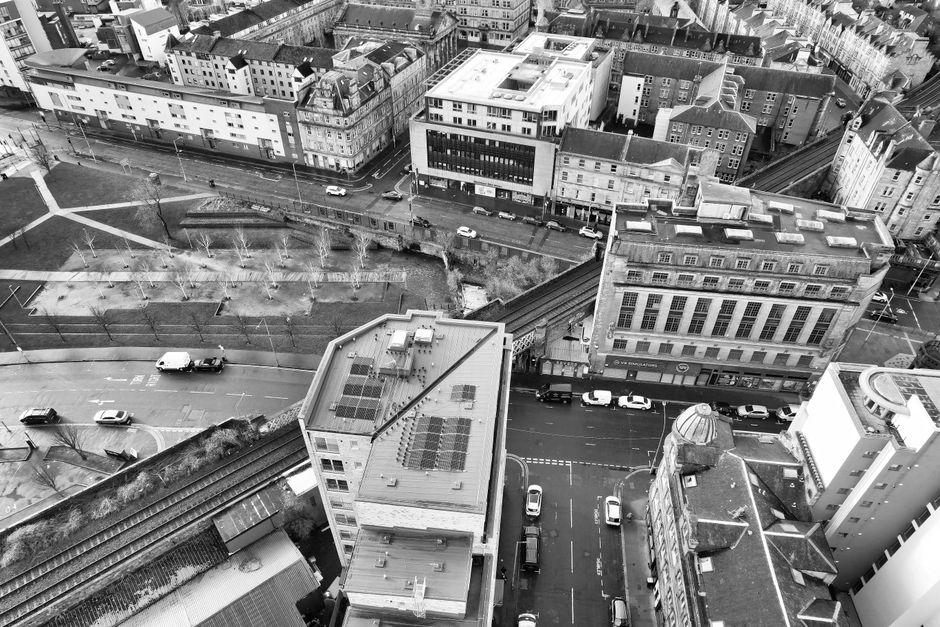
Residents in at least three Glasgow neighbourhoods say they were never consulted before photographs of their homes, closes and communal stairwells were replaced on property listings and council planning portals with digitally altered or entirely substitute images, a practice that campaigners are now calling duplicate image replacement, and one they argue misrepresents the lived reality of some of the city's most pressured housing areas.
The issue has sharpened in recent weeks as planning applications in Govanhill and Maryhill have drawn renewed scrutiny from local tenants' groups. In both areas, residents say they discovered that images originally submitted as part of planning submissions or used on letting platforms had been quietly swapped out, sometimes showing freshly painted facades or tidy common areas that, in the view of those who live there, bear little resemblance to current conditions.
A problem rooted in accountability gaps
Govanhill, which sits roughly two kilometres south of Glasgow city centre and has one of the highest concentrations of private rented accommodation in Scotland, has been the focus of enforcement attention from Glasgow City Council for several years. The council's Govanhill Taskforce, a multi-agency body established to tackle overcrowding, disrepair and illegal subletting, has been operating in the area since 2018. Residents involved with the Govanhill Community Development Trust say the image-swapping compounds a broader feeling that decisions about the neighbourhood are made without them.
In Maryhill, on the city's north side, members of the Maryhill and Kelvin Housing Association's resident steering group raised the issue at a meeting earlier this year after noticing discrepancies between images used on a developer's planning portal submission and photographs they had taken themselves of the same close on Kelvindale Road. The association, which manages around 3,400 homes across the area, said it was looking into the matter but had not yet made a formal statement.
The practical stakes are real. Scotland's Housing (Scotland) Act 2006 places duties on landlords regarding property condition, and planning applications require accurate photographic evidence of existing conditions. If images submitted to Glasgow City Council's planning department do not reflect genuine site conditions, that could, legal observers have noted, constitute a material misrepresentation, though no prosecutions in Glasgow specifically on this basis have been confirmed publicly.
What residents want changed
Community members say the core demand is straightforward: any image used in a public-facing planning or letting document relating to their building or street should require sign-off from a recognised residents' body before submission. In Govanhill, that would likely mean the community trust. In Maryhill, the housing association's steering group has already drafted a short proposal to that effect, which they intend to present to the council's Planning Applications Committee before its September 2026 sitting.
The Tenants Information Service, a Glasgow-based advice charity operating from offices on Sauchiehall Street, says enquiries related to digital misrepresentation of rental properties have roughly doubled since January 2026 compared to the same period in 2025, according to their own internal tracking. The organisation provides free advice to private and social tenants across the city.
Glasgow City Council's planning department said last month that it would review its image-verification procedures as part of a wider digital modernisation programme scheduled for completion by March 2027. Specifics of that review have not been published.
For residents who want to act now, the most direct route is through the council's online planning register, where anyone can submit a formal representation on an open application, including flagging concerns about the accuracy of submitted photographs. Applications can be found by postcode on the Glasgow City Council planning portal. The deadline for representations is typically 21 days from the date a valid application is registered. Community groups in Govanhill and Maryhill are encouraging neighbours to document current conditions themselves, date-stamped photographs stored with a local trust or association, so that any future discrepancies can be identified and challenged with evidence.